
16-02-2026
How the Olympics Turned Opening Ceremonies into Immersive Global Shows ...


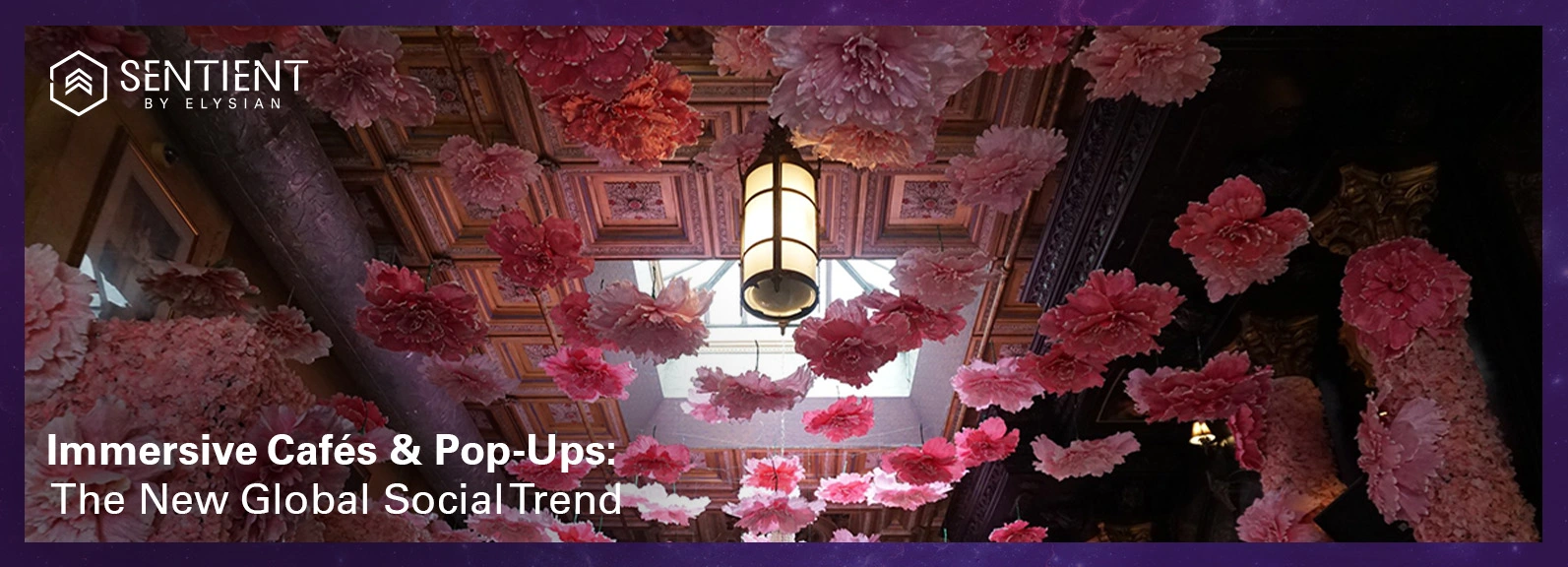
Immersive cafés and pop-up experiences are redefining how people gather, dine, and connect. No longer focused solely on food or drink, these spaces blend storytelling, design, fandom, and social media to transform everyday rituals into memorable experiences. From narrative-led cafés and pop culture–driven spaces to short-lived pop-ups designed for visibility and sharing, immersive cafés reflect a broader cultural shift toward experiential living. Built to be entered, photographed, and remembered, they exist as cultural moments rather than permanent destinations—proving that in today’s world, what matters most is not just what is served, but how it makes people feel.
Introduction: Dining Becomes an Experience
Dining as Storytelling: Narrative-Led Cafés
Fandom-Driven Design: Pop Culture Moves Offline
Temporary by Design: The Power of Pop-Ups
Designed for Visibility: Social Media’s Role
More Than a Trend: Cultural Impact of Immersive Cafés
Coffee is no longer just poured—it’s performed. Across cities worldwide, cafés are transforming into immersive worlds where décor, menus, music, and mood collide to tell a story. From pastel-drenched Barbie cafés and Bridgerton-style tea rooms to K-pop pop-ups and manga-inspired diners, these spaces blur the line between dining and entertainment. Designed to be stepped into, photographed, and shared, immersive cafés turn everyday rituals into moments of escape. They invite visitors to linger, participate, and feel part of something bigger than a meal—proof that in today’s culture, immersive technology is the new social currency.
Beneath the surface of these highly stylized spaces sits a broader cultural shift—one rooted in storytelling, scarcity, and social connection. The following sections trace how immersive cafés came to define a new way of gathering, experiencing, and sharing.
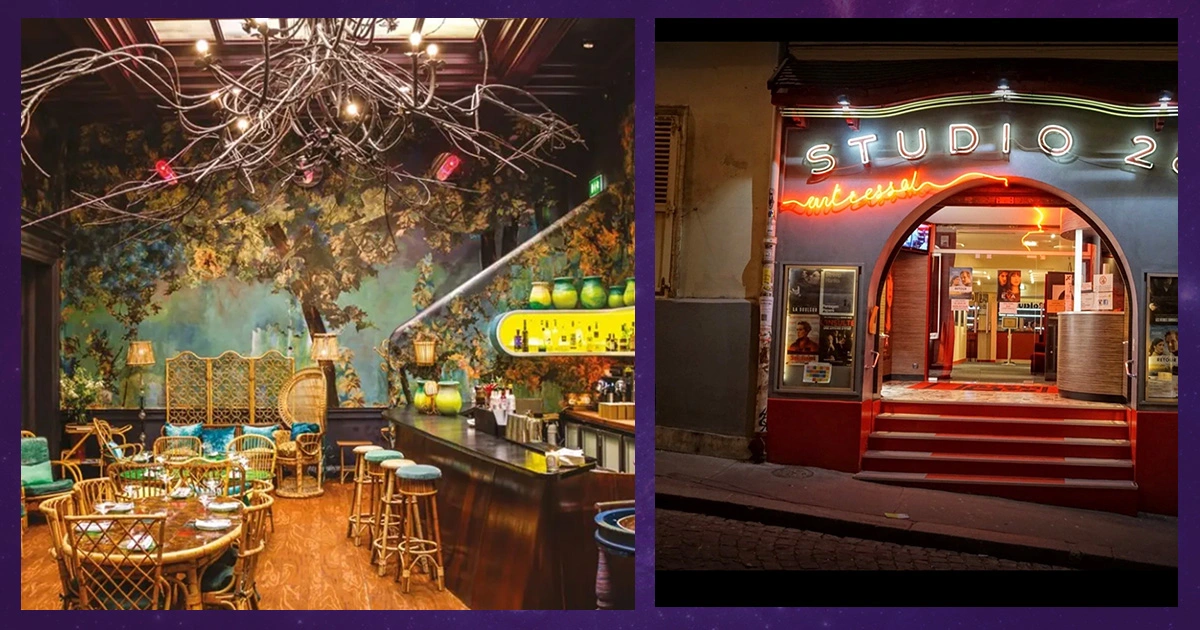
The most compelling immersive cafés operate less like eateries and more like carefully scripted environments. Every design choice—lighting, layout, sound, and even service style—works together to tell a story. In these spaces, dining becomes a narrative experience, where guests are guided through a world rather than simply seated at a table, much like an experience designed to unfold in stages.
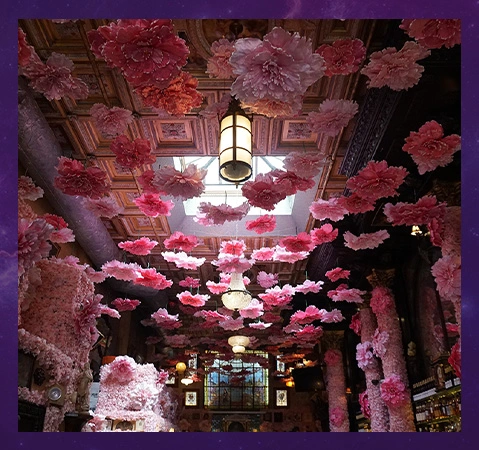
London’s Sketch is a notable example of how storytelling can define a café’s identity. Its pink-hued Gallery, surreal artwork, and theatrical restrooms create a sequence of moments that feel intentionally staged, encouraging exploration beyond the meal itself. Similarly, Paris-based café Café Studio 28 , located next to a historic cinema, extends film culture into its interiors through vintage posters, cinematic lighting, and curated music.
In Asia, narrative-driven cafés push immersion even further through the use of interactive installations . Tokyo’s 2D Café transforms hand-drawn illustrations into physical space, creating the illusion of stepping inside a sketchbook. The visual language is consistent across walls, furniture, and tableware, making the experience instantly recognizable and deeply shareable. In Seoul, Zapangi disguises its entrance as a vending machine, turning arrival itself into part of the story and reframing the act of discovery as entertainment.
What distinguishes these cafés is not spectacle alone, but narrative continuity shaped by a thoughtful mindset . Guests move through spaces that unfold in chapters—entrance, seating, interaction, exit—each reinforcing the overarching concept. Menus become extensions of the story rather than standalone offerings, often designed to echo the theme visually or linguistically.
By borrowing techniques from theatre, exhibition design , and film, narrative cafés shift hospitality from service to storytelling. The result is an experience remembered not for a single dish or drink, but for the sense of having stepped into a fully realized world.
Immersive cafés are increasingly shaped by fandoms that demand more than digital engagement. As audiences grow more invested in the worlds of music, film, and animation, physical spaces have become a natural extension of these cultural ecosystems. Cafés and pop-ups now act as offline touchpoints—where fans can gather, celebrate, and participate in shared cultural moments.
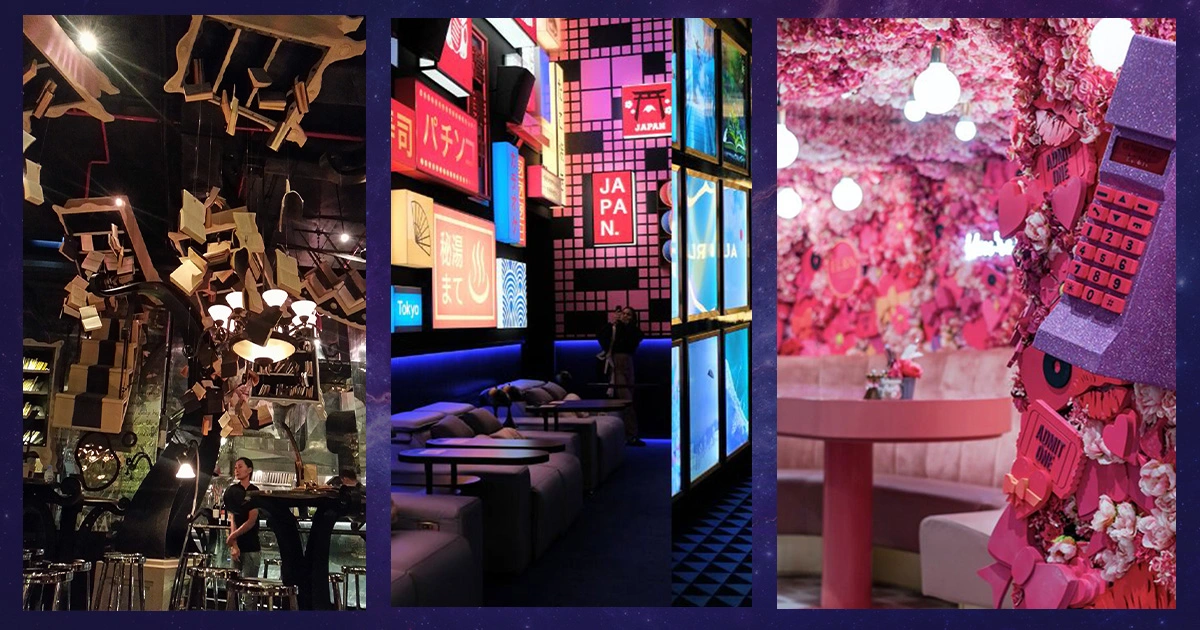
A clear example is HYBE Insight Café in Seoul, created by the entertainment company behind global K-pop acts. The space integrates album artwork, behind-the-scenes visuals, and exclusive menu items tied to specific artists, combining event marketing with physical storytelling to turn a café visit into a fandom experience rather than a casual stop.
In Japan, anime-led café concepts have refined fandom immersion into an art form. Pokémon Café in Tokyo and Osaka translates beloved characters into themed interiors, interactive displays , and character-inspired dishes, creating an experience that resonates across age groups. Meanwhile, limited-time collaborations like Studio Ghibli pop-up cafés rely on carefully orchestrated event production to recreate the visual motifs and emotional atmospheres of the films rather than overt branding.
What sets fandom-driven cafés apart is their ability to transform emotional attachment into spatial design. These environments are built on recognition—fans immediately understand the references, symbols, and cues embedded in the space. This shared cultural literacy turns the café into a communal zone where strangers bond over mutual admiration and collective nostalgia.
By moving pop culture from screens into real-world settings, fandom-driven cafés demonstrate how deeply people want to live inside the worlds they love. The café becomes less about hospitality and more about belonging—an experience shaped by connection, participation, and shared cultural meaning.
One of the defining characteristics of immersive cafés is their impermanence. Many of these spaces are intentionally designed to exist for a limited time—weeks or months rather than years. This temporary nature places immersive cafés closer to pop-ups and experiential event environments than traditional hospitality models, where longevity is often the goal.
Short-lived cafés operate within carefully constructed physical frameworks, much like a temporary installation . Spaces are designed to be assembled, activated, and dismantled efficiently, without compromising on visual impact or narrative depth. This is particularly visible in pop-up cafés launched inside malls, cultural venues, or large public events, where spatial constraints require thoughtful stand exhibition design and modular layouts.
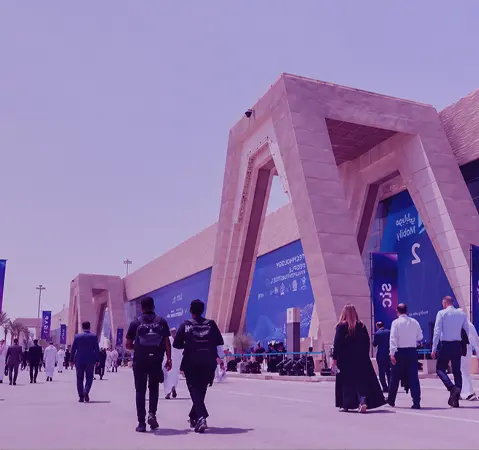
In cities like Dubai, Tokyo, and Singapore, pop-up cafés often occupy repurposed venues or temporary structures built specifically for the experience. These environments rely on precise booth design principles—clear visitor flow, defined zones, and immersive façades—to create immediate impact. The café must communicate its story within seconds for the right kind of attention in a crowded space.
Because these cafés are temporary by nature, design decisions are intentionally bold. Walls transform into visual canvases, counters function as sculptural focal points, and interactive elements are woven into the space to create maximum impact within a limited timeframe. This is where collaboration with experienced event organisers in Dubai , such as Sentient By Elysian , becomes critical. Known for creating immersive brand environments, SBE brings proprietary technology and digital sculptures, often powered by animatronics , into physical spaces, introducing moments of surprise and engagement that can also work well for pop-up cafés from themed settings to turn them into fully immersive, precision-built experiences.
What makes these spaces compelling is not their permanence, but their intensity. Visitors are drawn by scarcity, urgency, and the knowledge that the experience will soon disappear. In this way, immersive cafés function as cultural moments rather than fixed locations—designed to be visited, documented, and remembered.
The rapid global rise of immersive cafés is closely tied to the economics of visibility. Unlike traditional dining spaces that rely on location or reputation, immersive cafés thrive on digital circulation. Their success is often measured not just by footfall, but by how frequently they appear across social platforms. In many ways, these cafés operate as physical extensions of event marketing , where the visitor experience doubles as content creation.
Visual storytelling sits at the center of this strategy. Every detail—from color palettes and lighting to plating and spatial layout—is engineered to photograph well. Carefully curated interactive displays encourage visitors to engage with the environment rather than simply observe it. Rotating installations, themed backdrops, and experiential zones allow guests to move through spaces that feel dynamic and camera-ready, ensuring that no two visits look identical online.
For brands and creators, immersive cafés have become powerful brand activation tools. Limited-time themed cafés tied to movie releases, music launches, or seasonal campaigns often generate more organic reach than conventional advertising. By transforming visitors into participants, these spaces naturally encourage social sharing, which extends the lifespan of the experience far beyond its physical duration.
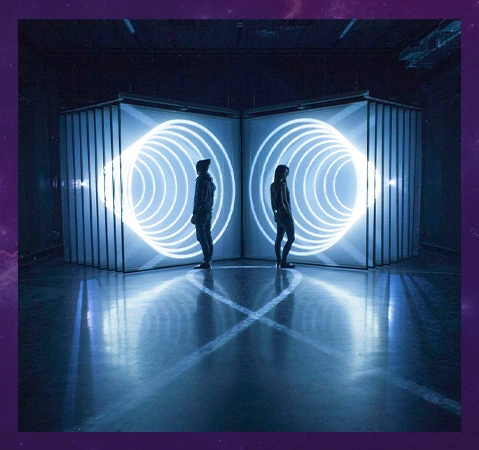
Behind these highly curated environments sits sophisticated event production . Projection mapping, responsive lighting, and motion-triggered installations are frequently used to enhance atmosphere and create moments designed for digital engagement. Many cafés collaborate with an event agency , particularly when launching high-profile pop-ups or internationally touring café concepts, to ensure seamless integration between design, storytelling, and visitor interaction.
The influence of social media also shapes visitor behavior within the space . Guests often move through immersive cafés with an awareness of how the experience will translate visually. This has encouraged designers and event organisers to create layered environments where each zone offers a distinct aesthetic, allowing visitors to capture multiple narratives within a single visit.
As digital culture continues to prioritize shareable experiences, immersive cafés illustrate how hospitality is evolving into a hybrid of entertainment, storytelling, and marketing. Their ability to exist simultaneously as physical destinations and digital phenomena reflects a broader shift in how people choose where to gather, socialize, and express identity.
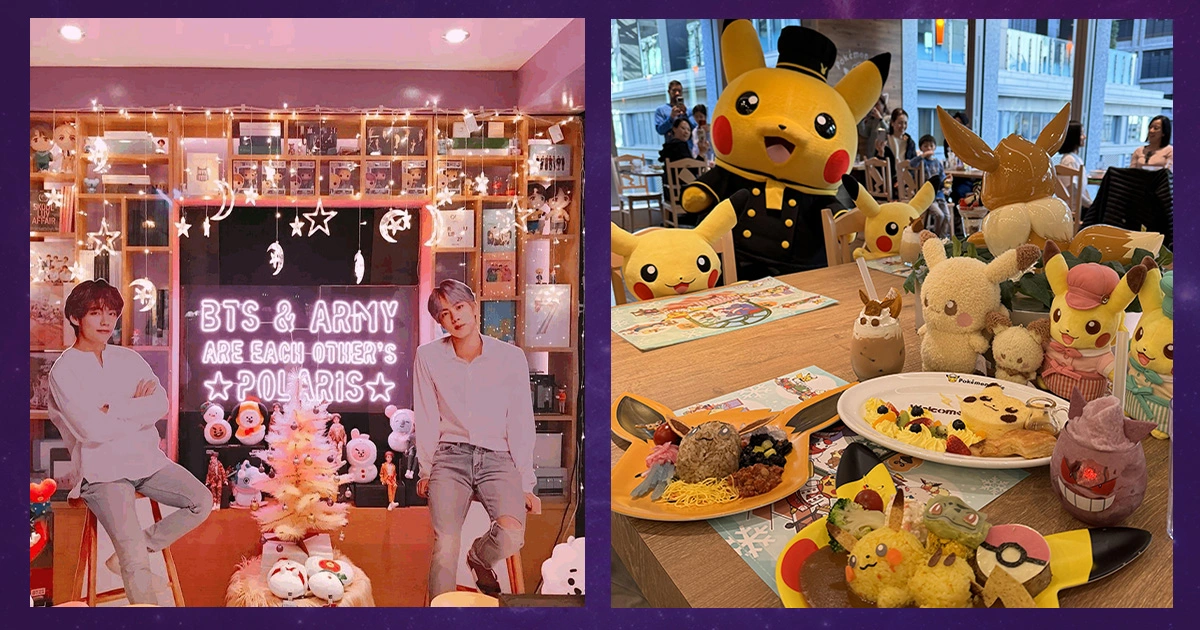
The rise of immersive cafés points to a deeper shift in how people relate to physical spaces. In an era shaped by digital interaction, these cafés reassert the value of presence—of stepping into environments designed to be felt as much as they are seen. Concepts like Aurum Theatre Café in Dubai , which blends cinematic interiors with curated dining, or TeamLab -connected café experiences in Tokyo , where art and space merge seamlessly, show how cafés are evolving into experiential destinations rather than functional venues.
What makes immersive cafés particularly resonant is their balance of familiarity and novelty. A Harry Potter–inspired café in Bangkok or a retro Americana diner pop-up in New York works because the reference is instantly understood, yet spatially reimagined. This approach mirrors how experiential event environments are designed—rooted in recognisable cues, but elevated through atmosphere, interaction, and storytelling.
These cafés also reflect changing expectations of social environments. Spaces like Cafe Yeonnam-dong 239-20 in Seoul , designed to resemble a hand-drawn illustration, or EL&N pop-ups in London , where colour and scale shape interaction, actively influence how people gather, linger, and connect. Here, thoughtful event production plays a subtle role, ensuring flow, pacing, and sensory balance without overwhelming the experience.
Importantly, immersive cafés are not defined by permanence. Their temporary nature aligns with contemporary lifestyles that value moments over ownership. Limited-run pop-ups in cities such as Paris, Dubai, and Singapore thrive precisely because they are fleeting, turning a simple visit into a time-bound cultural moment.
Together, these examples reveal why immersive cafés endure beyond trend cycles. They respond to a growing desire for spaces that offer meaning, memory, and shared experience—crafted environments that feel intentional, immersive, and worth stepping into, even if only for a short while.
Immersive cafés remind us that cafés were never really about coffee alone. They were always about the feeling a sip could carry—the comfort of familiarity, the thrill of discovery, the quiet nostalgia of being somewhere that feels briefly like it belongs to you. Today’s immersive cafés simply make that feeling visible. They wrap emotion in design , memory in atmosphere, and ritual in storytelling , turning a simple visit into an experience that lingers.
What gives these spaces their power is not permanence, but intention. Built to be temporary, photographed, shared, and eventually dismantled, immersive cafés exist as cultural moments rather than fixed destinations. Their impact lives on through memory, imagery, and the stories people carry forward. In that sense, the modern café is no longer just a place to visit—it’s a moment to step into, participate in, and remember.
Website | LinkedIn | Instagram | YouTube | Facebook