2-03-2026
Berlinale: How Cinema Is Expanding Beyond the Screen...


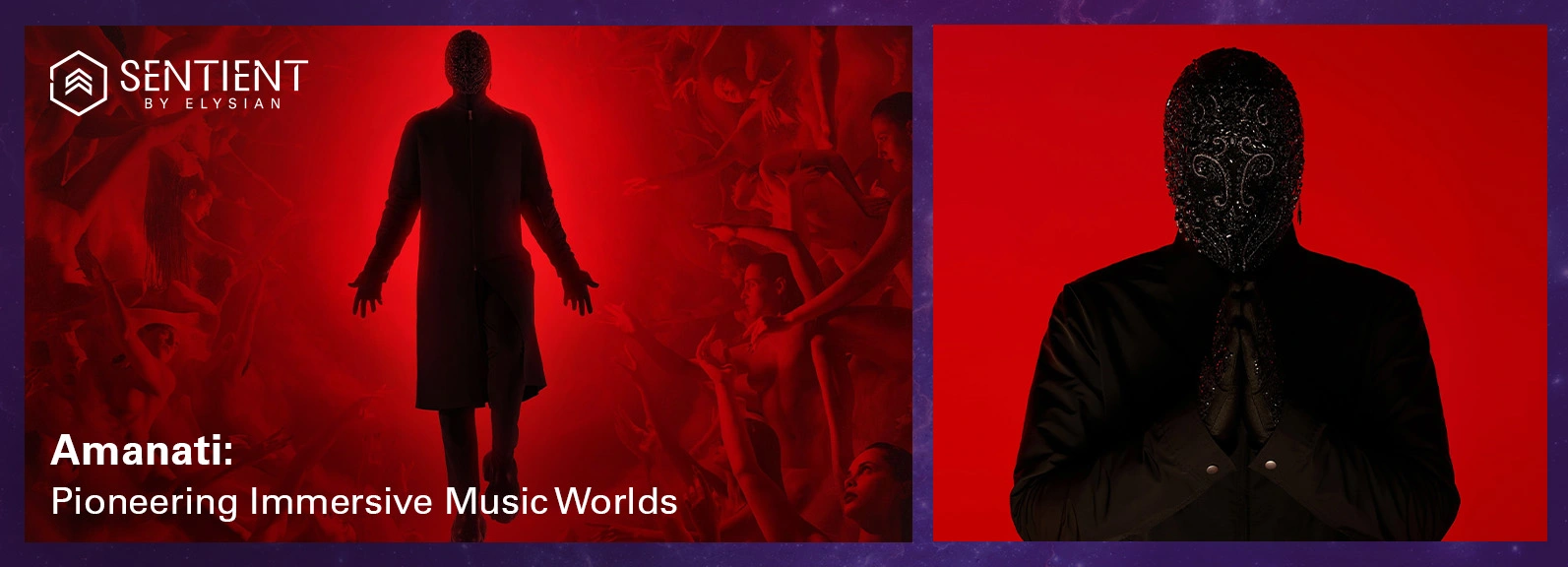
Amanati is redefining the way music is experienced, creating immersive soundscapes that blur the line between composition, environment, and cinema. Their works prioritize spatial depth, atmosphere, and texture over traditional song structures, allowing listeners to inhabit sound as an evolving environment. From layered, navigable sound terrains to cinematic sequences like Penuma and reflective journeys like Sanctuary , Amanati invites audiences to actively explore and interpret each piece. Through their innovative approach, music becomes a living space, encouraging presence, imagination, and emotional engagement, exemplifying the rise of experiential, architectural, and participatory listening in contemporary sound culture.
Beyond the Song: How Amanati Builds Immersive Sonic Landscapes
Sound as Architecture: Amanati’s Spatial Approach to Composition
The Cinematic Influence: Music That Feels Like a Film Without Images
The Rise of Immersive Music Culture
Listening as Presence: How Amanati Transforms the Role of the Audience
Music is no longer confined to the narrow frame of a track. Increasingly, it unfolds as an atmosphere—something that surrounds, lingers, and reshapes the way listeners inhabit sound. Within this evolving landscape, Amanati has emerged as a composer whose work dissolves the boundaries between music, environment, and cinematic experience. Rather than constructing songs in the traditional sense, Amanati builds immersive sonic worlds where texture, spatial depth, and gradual emotional shifts guide the listener. Each composition functions less like a performance and more like a place—an auditory environment that invites exploration rather than passive listening.
This article delves into how Amanati crafts these immersive sound environments, examining the spatial techniques, cinematic sensibilities, and cultural shifts that position their work within the growing movement toward music as an experiential, architectural form.
But before we go any further, let’s take a second to look at who Amanati is. Amanati is an experimental music composer and sound artist known for creating immersive, spatially rich soundscapes that blur the line between music, environment, and cinematic experience. Their work prioritizes atmosphere, texture, and spatial depth over traditional song structures, transforming listening into an exploratory and participatory experience. Rather than composing conventional tracks, Amanati builds auditory environments—music as a navigable, inhabitable space where each listener experiences the sound uniquely. Their compositions often incorporate elements of ambient, electronic, and cinematic music, reflecting a broader trend toward immersive and experiential sound.
At the core of Amanati’s artistic identity is a rejection of conventional song structure. Rather than composing music around predictable progressions of verse, chorus, and bridge, Amanati constructs pieces that unfold as immersive sonic environments. The listener is not guided through a fixed musical narrative but instead moves through layers of evolving sound, discovering subtle emotional shifts along the way.
This philosophy can be heard in works such as “ Medusa ” and “ Uru ,” where the emphasis lies less on melodic hooks and more on slowly evolving atmospheric textures. In these compositions, sound behaves like an environment: drones expand gradually, distant echoes ripple through the sonic field, and delicate tonal fragments emerge and dissolve over time. The result is less like listening to a track and more like stepping into a living auditory landscape.
Instead of building toward dramatic climaxes, Amanati’s pieces breathe with a patient rhythm. Ambient layers stretch across long durations while subtle harmonic shifts quietly reshape the emotional atmosphere. These elements combine to create a sense of movement that feels organic rather than structured, allowing listeners to immerse themselves fully in the soundscape.
This approach transforms listening into an exploratory experience. Depending on the listener’s focus and environment, different textures reveal themselves at different moments. What begins as a distant atmospheric layer may gradually emerge as the emotional core of the piece.
Amanati well demonstrates how music can function not merely as a sequence of sounds but as a carefully constructed sonic terrain—one designed to be explored rather than simply heard.
While many composers treat space as a secondary element in music production, Amanati approaches it as a central compositional tool. Sound is not simply arranged in time but carefully positioned within a perceived auditory field, allowing tones to expand, recede, and interact with one another in ways that create a sense of depth. Through this spatial awareness, Amanati turns music into something almost architectural—constructed with layers, openings, and resonant chambers rather than traditional musical sections.
This dimensional approach becomes evident in works such as “ Renaissance ,” where evolving electronic textures gradually unfold across the sonic field. The composition builds atmosphere through carefully spaced tonal layers, allowing listeners to perceive sound not just as melody but as movement within a wide acoustic environment.
Another striking example is “ Pythia ,” where subtle harmonic pulses and reverberant echoes circulate through the soundscape. Rather than stacking sounds densely, Amanati allows each element room to breathe, producing a composition that feels expansive and carefully structured.
Through these works, Amanati shows how spatial thinking can reshape musical composition itself. Instead of prioritizing linear progression, the music evolves through depth, distance, and resonance—inviting the listener to experience sound as a dynamic, living environment.

Amanati’s work often evokes the language of cinema , yet it does so without relying on the sweeping orchestration or dramatic cues typically associated with film scores. Instead, the cinematic quality emerges through atmosphere, pacing, and emotional progression. Each composition unfolds like a sequence of scenes, where subtle sonic shifts guide the listener through evolving moods and imagined spaces.
Rather than presenting a clear narrative, Amanati allows the music to suggest fragments of story. Ambient drones deepen like the opening frame of a film, distant echoes emerge like environmental details in a carefully designed scene, and gradual tonal changes act almost like slow camera movements. The listener becomes the director of the experience, interpreting the emotional landscape through personal imagination.
This cinematic sensibility can be heard in pieces such as “ Penuma ,” where slowly evolving textures create an almost suspenseful atmosphere. The piece moves with the patience of a film sequence, allowing subtle tonal changes to build emotional tension over time. Rather than delivering an obvious climax, the composition gradually reshapes the listener’s perception of space and mood.
A similar cinematic quality appears in “ Catharsis .” Here, Amanati constructs a deeply reflective atmosphere, where layered electronic tones and expanding harmonics evoke the emotional release suggested by the title. The composition unfolds gradually, creating the feeling of a quiet but powerful emotional arc, much like the closing act of a film.
Another compelling example is “ Exodus ,” which carries a sense of movement and transition. Through evolving drones and shifting harmonic textures, the piece suggests the feeling of departure or passage, much like a cinematic journey unfolding across different emotional landscapes.
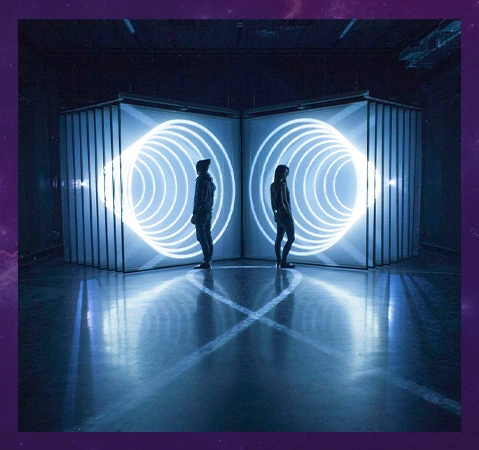
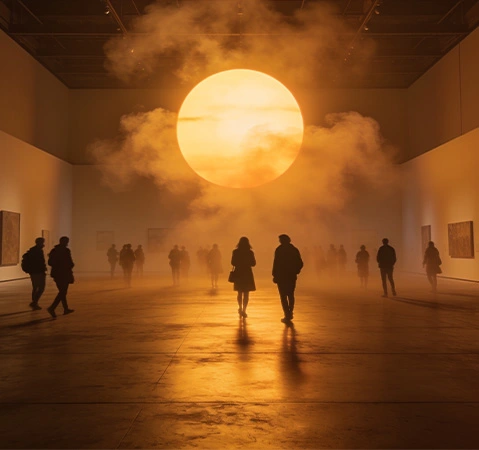
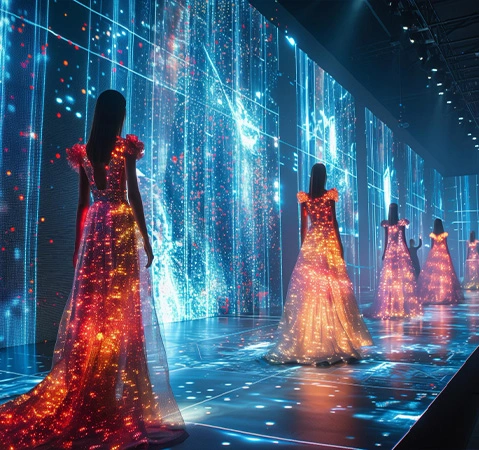
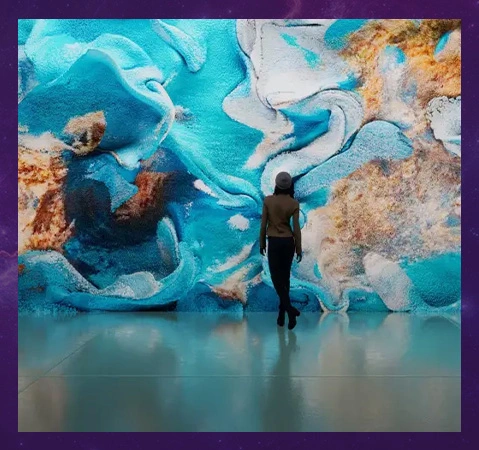
Immersive music trends are increasingly shaping multi-sensory experiences, with tech-forward creators drawing inspiration from visionary artists like Amanati. Dubai-based events agency Sentient By Elysian (SBE) is at the forefront of this movement, designing spatial installations and experiences that blend sound, design, and audience engagement. Their work demonstrates how immersive environments can transform the way audiences perceive sound and space —echoing the atmospheric, otherworldly worlds Amanati creates in music.

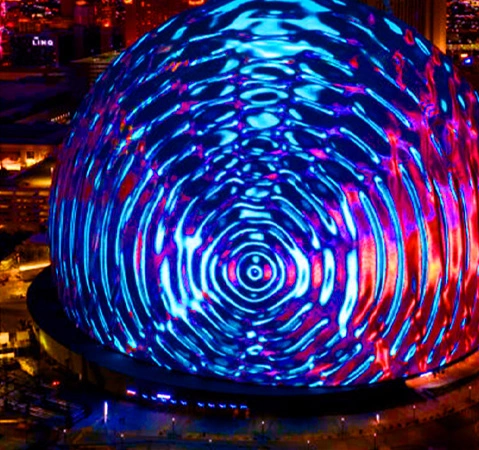
Amanati’s work does not exist in isolation; it reflects a broader shift in how music is created, presented, and experienced. In recent years, artists have increasingly moved beyond static recordings, exploring formats that invite listeners into immersive environments. From dome concerts and VR soundscapes to gallery-based sound installations, music is evolving into a multidimensional experience.
Within this cultural movement, Amanati’s compositions stand out for their natural alignment with immersive presentation. Tracks such as “ Apotheosis ” illustrate how expansive electronic textures can create a sense of sonic elevation. The piece gradually builds through layered atmospheres and evolving harmonics, producing a feeling of ascent that immerses the listener within a vast and unfolding soundscape.
Similarly, “ Dungeon ” demonstrates Amanati’s ability to construct dense atmospheric environments from minimal elements. The composition develops through subtle tonal movement and shadowy electronic textures, creating a mysterious and enveloping sonic field that invites the listener to focus on the shifting nuances of sound.
Another example, “ Omen ,” reveals how Amanati can generate dramatic tension through restraint. Low resonant tones and slowly evolving sonic layers establish a powerful atmosphere where anticipation becomes the central emotional driver. Rather than relying on dramatic structural changes, the piece sustains immersion through carefully controlled sonic progression.
Meanwhile, “ Siren ” introduces a slightly different emotional palette. Through haunting tonal motifs and fluid ambient layers, the composition evokes a sense of distance and allure, allowing the listener to drift within a soundscape that feels both atmospheric and cinematic.
In this context, Amanati exemplifies a generation of artists redefining musical boundaries. Music is no longer confined to speakers or streaming platforms; it becomes a place to inhabit. Their work illustrates how contemporary immersive music culture is shifting toward experiential, participatory listening, where atmosphere, movement, and spatial depth are as crucial as melody or rhythm. Amanati’s compositions are not merely tracks—they are environments that invite exploration and presence, shaping the future of how audiences experience sound.
Amanati’s immersive compositions redefine what it means to listen. Traditional music asks for attention, but Amanati’s work demands presence—an active engagement with sound as a spatial, evolving environment. Listeners are no longer outside observers; they become participants, attuned to subtle shifts, textures, and movements within the sonic landscape. Each piece unfolds like an environment to explore rather than a song to consume.
Works such as “ Invicta ” exemplify this philosophy, with slowly drifting harmonic layers and evolving textures that encourage deep focus and exploration. Similarly, “ Sanctuary ” further engages the audience through subtle variations and spatial depth, creating a contemplative experience that feels inhabited rather than simply heard.
By framing the audience as an active participant, Amanati highlights a broader shift in contemporary music culture. Listening becomes an exploration of presence, where emotion, attention, and spatial awareness converge. In Amanati’s immersive worlds, music is not just heard—it is inhabited, felt, and discovered, offering a transformative experience that challenges the traditional boundaries between artist, composition, and audience.
Amanati’s work stands as a compelling testament to the evolving nature of music in the 21st century—where sound is no longer a flat, linear medium but a space to inhabit, explore, and experience. Through meticulous attention to atmosphere, spatial depth, and cinematic sensibility, Amanati transforms each composition into an immersive environment that engages listeners on multiple levels—emotional, psychological, and physical. By blending the art of sonic architecture with the principles of experiential culture , their music not only reflects broader trends in immersive sound but also actively shapes how audiences relate to music itself. In navigating Amanati’s worlds, listeners are invited to step beyond conventional tracks and enter a realm where sound becomes a living, inhabitable landscape—an art form that is as much about presence as it is about listening.
Website | LinkedIn | Instagram | YouTube | Facebook