2-03-2026
Berlinale: How Cinema Is Expanding Beyond the Screen...


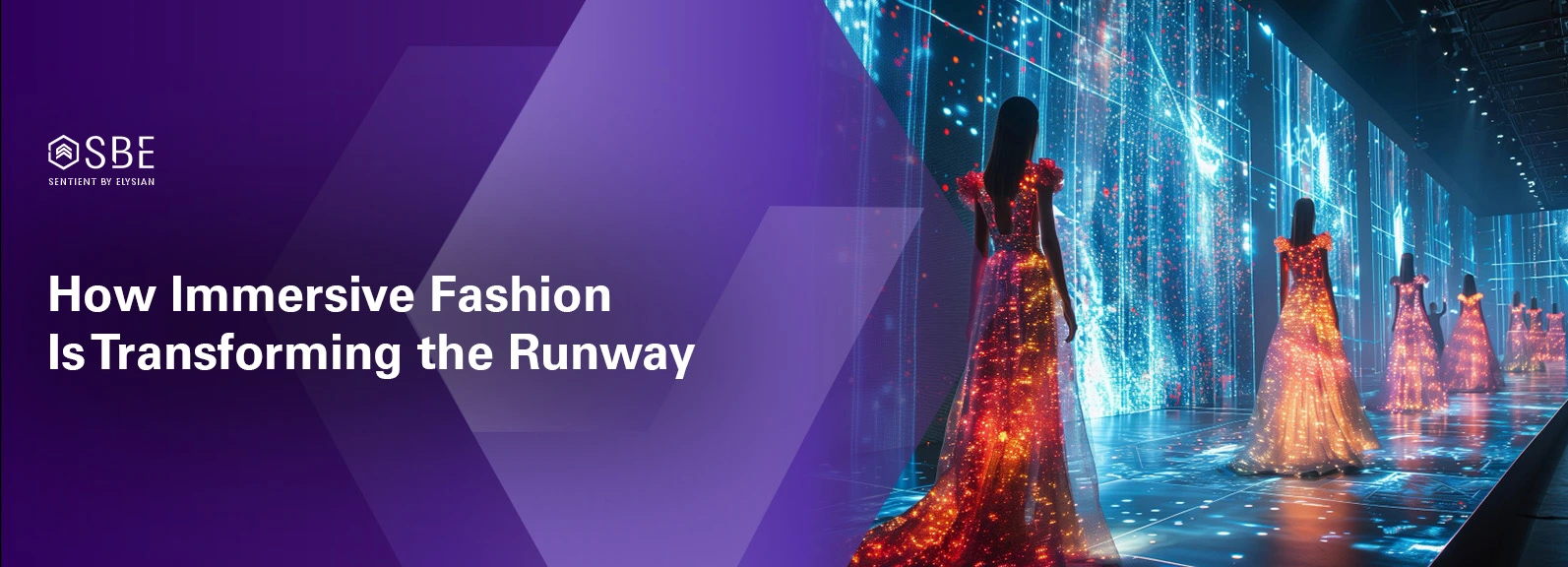
Fashion is no longer confined to the garments displayed on the runway. Today, leading fashion houses are creating immersive experiences that blend storytelling, technology, performance, and destination-driven design. From Chanel's theatrical rocket launch and Jacquemus' breathtaking landscape runways to Coperni's viral spray-on dress and the Met Gala's cultural storytelling, fashion events have evolved into powerful experiential platforms. These moments engage audiences emotionally, generate global digital conversations, and extend brand narratives far beyond the catwalk. As consumer expectations shift toward participation and experience, the future of fashion lies in creating memorable worlds that audiences can enter, engage with, and share.
The Chanel Rocket Launch and the Rise of Experiential Runways
Jacquemus' Lavender Fields and the Power of Place
Coperni's Spray-On Dress and the Age of Fashion Performance
The Met Gala and the Future of Cultural Immersion
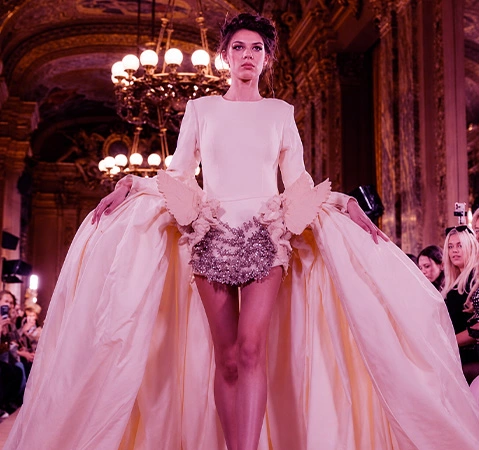
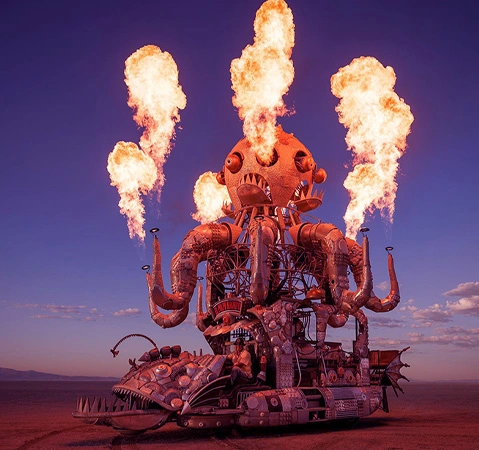
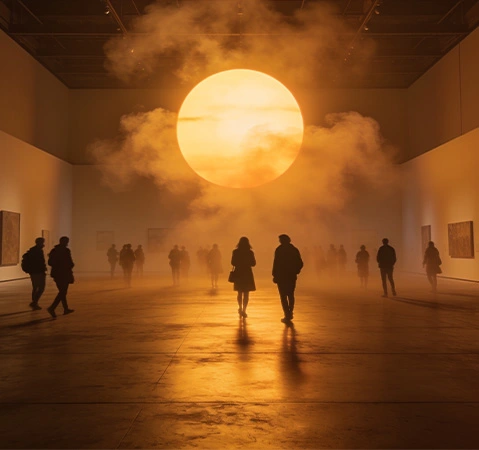
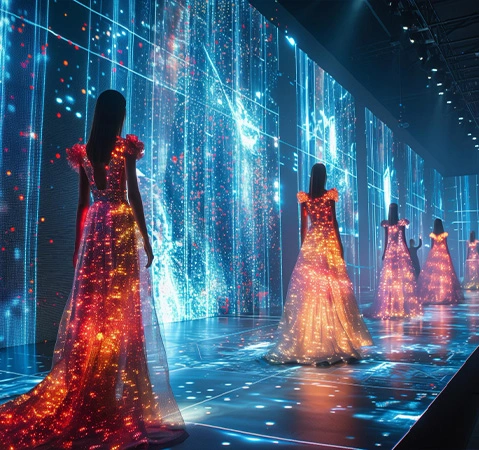
Fashion has always been about creating desire, but today, the most influential brands are designing something far bigger than clothing. Across global fashion capitals, runways are evolving into immersive worlds where architecture, technology, performance, and storytelling converge to create unforgettable experiences. From dramatic landscape settings and museum-scale installations to digitally enhanced presentations and viral cultural moments, fashion shows have become powerful tools for audience engagement. The focus is no longer solely on what models wear, but on how audiences feel, interact, and remember. In an increasingly experience-driven economy, the runway has transformed from a platform for showcasing collections into a stage for building entire brand universes.
This article explores how fashion brands are redefining the runway through world-building, audience participation, technological innovation, and cultural storytelling—turning fashion shows into immersive experiences that extend far beyond the catwalk.
For decades, fashion runways served a singular purpose: presenting a new collection to buyers, editors, and industry insiders. While creative set designs have always been part of fashion's visual language, a turning point arrived when luxury brands began treating runway shows as immersive experiences rather than product showcases. Few moments captured this shift more dramatically than Chanel's Spring/Summer 2017 presentation at Paris Fashion Week, where guests entered the Grand Palais to find a towering rocket positioned at the center of the venue.
As the show concluded, the rocket appeared to launch into the air amid smoke and sound effects, transforming what could have been a traditional runway presentation into a theatrical spectacle. The collection itself drew inspiration from space-age aesthetics, but the experience extended far beyond the garments. Attendees were not simply observing a fashion show; they were stepping into a carefully constructed universe that embodied the collection's narrative. The event demonstrated how environment, storytelling, and sensory design could amplify the emotional impact of fashion.
The rocket launch was not an isolated experiment. Under Karl Lagerfeld's creative direction, Chanel repeatedly pushed the boundaries of experiential runway design:
What made these presentations remarkable was not simply their scale, but their ability to communicate a story before the first look appeared on the runway. Each environment functioned as an extension of the collection's concept, allowing audiences to understand the inspiration through physical space rather than clothing alone. The set became a storytelling medium, creating an emotional context that deepened engagement with the collection.
These immersive experiences also proved highly effective in the digital era. While only a select audience could attend the shows in person, millions experienced them through photographs, videos, and social media content. Images of a rocket launching inside the Grand Palais or models pushing shopping carts through a Chanel supermarket generated conversations that extended far beyond the fashion industry. The runway became content, and the venue became as newsworthy as the collection itself.
Today, the influence of these productions can be seen across the luxury fashion landscape. Brands increasingly invest in architectural environments, interactive installations, and large-scale experiential design to create memorable moments that resonate both physically and digitally. Chanel's most iconic runway spectacles demonstrated a fundamental shift in the role of fashion presentations: from showcasing products to building worlds. In doing so, they laid the foundation for the immersive fashion experiences that now define the industry's most talked-about events.
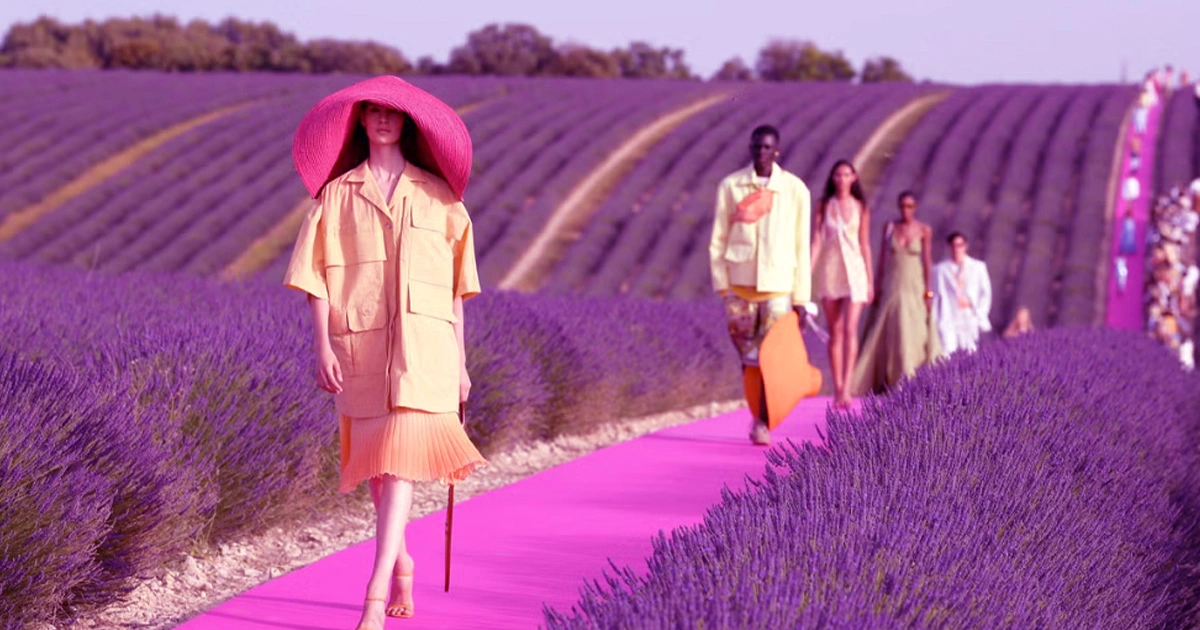
If Chanel demonstrated how immersive worlds could be constructed within a venue, Jacquemus proved that the world itself could become the runway. In recent years, the French fashion house has redefined fashion presentation by moving beyond traditional show spaces and placing collections within striking natural landscapes. These destination runways have transformed location from a backdrop into an essential part of the storytelling process, creating experiences that are as memorable as the garments themselves.
One of the most iconic examples came in 2019 with the "Le Coup de Soleil" show in Provence, France. Set amid endless rows of blooming lavender fields, the runway stretched through a sea of vibrant purple, creating a visual spectacle that immediately captivated audiences around the world. The setting was deeply connected to founder Simon Porte Jacquemus' personal history and Southern French roots, making the show feel authentic rather than purely theatrical. The landscape didn't simply frame the collection—it became part of its identity.
The lavender field presentation was followed by a series of equally ambitious location-driven experiences:
These presentations succeeded because they offered something increasingly rare in a digital-first world: a genuine sense of place. Rather than relying on elaborate stage design or technological effects, Jacquemus leveraged the emotional power of real environments. The surrounding landscape informed the mood, color palette, and narrative of each collection, creating a seamless relationship between fashion and setting.
The strategy also highlighted a broader shift in how audiences consume fashion. In an era dominated by social media, a runway show must compete for attention not only within the industry but across global digital platforms. Jacquemus' destination runways generated instantly recognizable imagery that travelled far beyond fashion publications. A single aerial photograph of a runway cutting through lavender fields communicated the brand's identity more effectively than a traditional venue ever could.
Beyond their visual appeal, these events reflected a growing emphasis on experiential storytelling. Audiences increasingly seek emotional connections, authenticity, and memorable experiences from the brands they follow. By situating collections within meaningful locations, Jacquemus transformed fashion presentations into immersive journeys that connected people to a place, a mood, and a story.
The success of these runway experiences demonstrates that immersion does not always require grand sets or cutting-edge technology. Sometimes, the most powerful fashion worlds are those rooted in real landscapes. Through its destination-driven presentations, Jacquemus has shown that location itself can become a storytelling medium, turning the runway into an experience that audiences can feel long before they focus on the clothes.
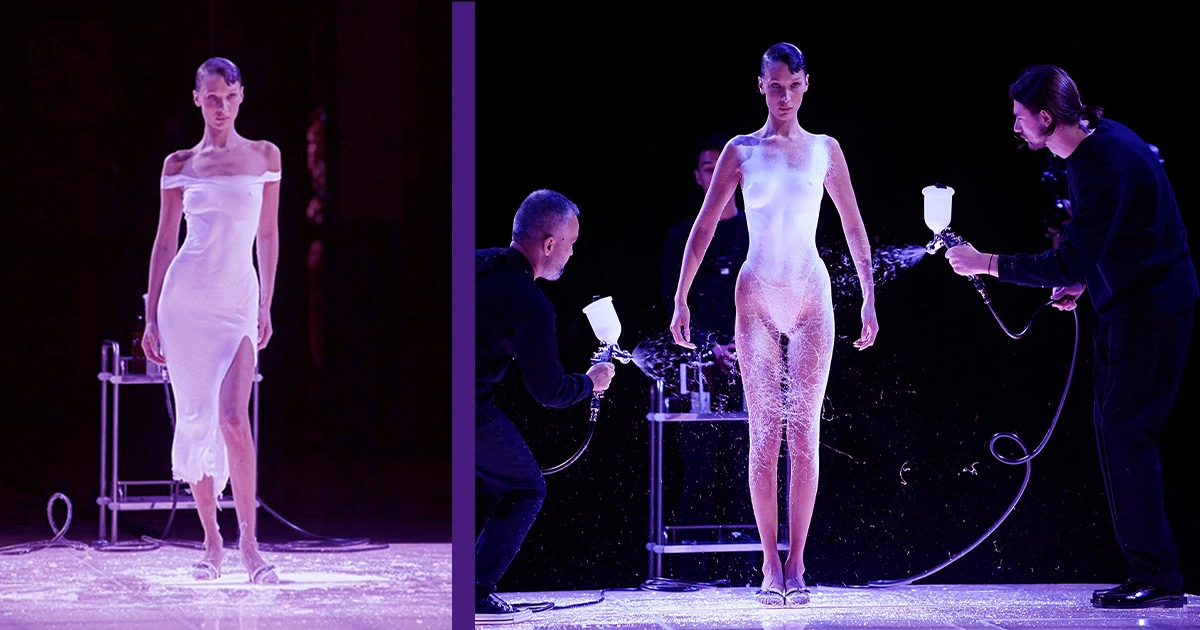
While immersive fashion has often been associated with spectacular venues and elaborate environments, some of the industry's most powerful moments have emerged from live performance itself. Few examples illustrate this better than Coperni's Spring/Summer 2023 presentation during Paris Fashion Week, where the runway became the stage for one of the most talked-about fashion moments of the decade.
As guests watched, model Bella Hadid stepped onto the runway wearing only minimal undergarments. A team of technicians then sprayed a liquid fabric directly onto her body, gradually creating a wearable white dress in real time. The audience witnessed not just the unveiling of a garment, but the creation of one. Within minutes, the moment spread across social media, news outlets, and fashion publications worldwide, becoming an instant cultural phenomenon.
What made the presentation remarkable was not simply the technological innovation behind the spray-on fabric. It was the transformation of the runway into a live performance where the act of creation became the main event. The audience was no longer waiting to see the finished product; they were experiencing the process itself. Fashion became theatre, science, and storytelling simultaneously.
The show joined a growing list of fashion presentations that have embraced performance as a central element of audience engagement:
These moments reflect a broader shift in audience expectations. In a world saturated with digital content, simply presenting a collection is no longer enough to capture attention. Brands must create experiences that surprise, provoke, and inspire conversation. Performance-driven runway moments achieve this by offering something inherently compelling: unpredictability. Unlike traditional presentations, where every look is revealed in sequence, live performances introduce tension, anticipation, and emotional investment.
The digital impact of these moments is equally significant. The Coperni spray-on dress generated millions of views within hours because it was designed for both the live audience and the global audience watching through screens. The event demonstrated how fashion shows now operate on two levels simultaneously—an in-person experience for attendees and a digital spectacle for the wider public.
As technology, art, and fashion continue to intersect, performance is becoming one of the industry's most powerful storytelling tools. The success of Coperni's spray-on dress showed that immersive fashion is not only about building worlds around collections; it is also about creating moments that audiences can witness, share, and remember. In the age of social media, the runway is no longer just a place where fashion is displayed—it is a stage where fashion comes to life.
The growing importance of performance-driven fashion experiences has also created opportunities for experiential technology specialists who help brands transform ideas into immersive realities. Sentient By Elysian, a UAE-based events agency, are part of this broader shift, working at the intersection of technology, storytelling, and event design to create multi-sensory experiences that engage audiences on a deeper level.
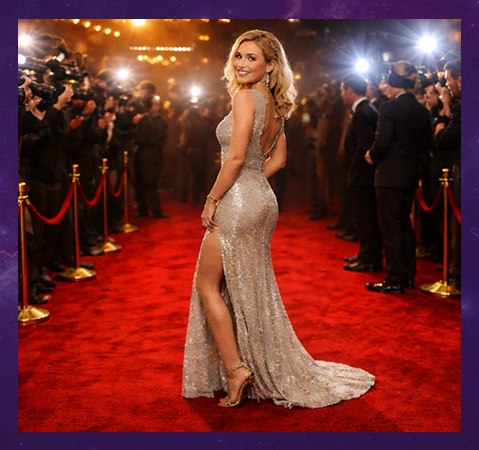
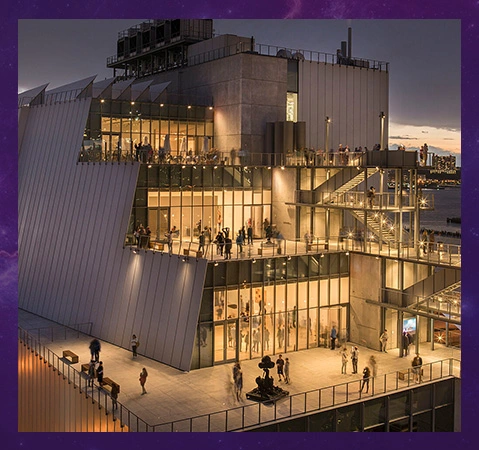
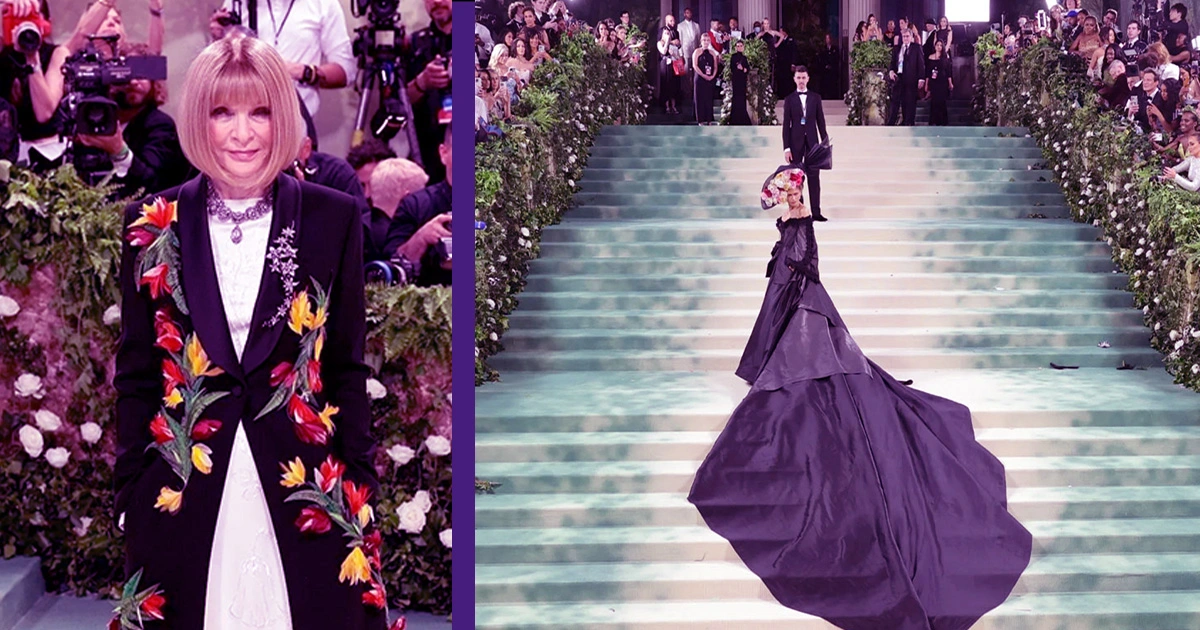
While runway shows have become increasingly immersive, no fashion event better demonstrates the industry's evolution into a global cultural experience than the Met Gala. Held annually at the Metropolitan Museum of Art in New York, the event has transformed from an exclusive fundraising dinner into one of the most influential spectacles in contemporary culture. Today, it exists at the intersection of fashion, art, celebrity, architecture, and digital media, offering a glimpse into what the future of immersive fashion experiences may look like.
What sets the Met Gala apart is its ability to create an entire universe around a single theme. Each year, the event is tied to a Costume Institute exhibition that provides a narrative framework for attendees, designers, and audiences alike. Rather than simply wearing luxury garments, guests become active participants in a larger story, interpreting a shared concept through fashion, performance, and personal expression.
Several recent editions highlight the event's power as an immersive cultural experience:
Unlike traditional runway presentations, the Met Gala extends immersion across multiple layers. The exhibition provides historical and artistic context, the red carpet becomes a live stage for storytelling, and the museum itself serves as a carefully curated environment that reinforces the event's theme. Every detail—from décor and lighting to celebrity appearances and media coverage—contributes to a cohesive narrative experience.
The event also demonstrates how immersive fashion now operates on a global scale. While only a select group of guests attends in person, millions participate digitally through livestreams, social media discussions, behind-the-scenes content, and real-time commentary. Audiences are no longer passive observers; they engage with themes, debate interpretations, and contribute to the cultural conversation surrounding the event. The experience unfolds simultaneously inside the museum and across digital platforms worldwide.
This ability to unite physical and digital audiences is increasingly shaping the future of fashion experiences. As brands seek deeper engagement, they are moving beyond product launches and runway presentations to create multi-platform narratives that audiences can experience, interpret, and share. The Met Gala exemplifies this evolution, functioning not merely as a fashion event but as an immersive cultural phenomenon.
In many ways, it represents the culmination of the trends reshaping the industry. From Chanel's theatrical worlds and Jacquemus' destination runways to Coperni's live performances, fashion has steadily expanded beyond the garments themselves. The Met Gala brings these elements together—storytelling, spectacle, participation, and cultural relevance—demonstrating that the future of fashion lies not only in what people wear, but in the worlds they are invited to enter.
The evolution of fashion shows over the past decade reveals a fundamental shift in how brands connect with audiences. What was once a platform for presenting seasonal collections has become a medium for creating immersive experiences that blend storytelling, technology, performance, and cultural engagement. Whether through Chanel's spectacular set designs, Jacquemus' destination runways, Coperni's live technological demonstrations, or the Met Gala's multi-layered cultural narratives, fashion is increasingly moving beyond the garment to create moments that audiences can experience, share, and remember.
This transformation reflects a broader change in consumer expectations. In an experience-driven world, audiences are seeking more than products—they are seeking emotion, participation, and connection. Fashion brands are responding by designing environments and narratives that invite people into carefully crafted worlds, turning spectators into active participants in the brand story.
As digital platforms continue to amplify these experiences, the most successful fashion events will be those that resonate both inside the venue and across global audiences online. The runway is no longer simply a stage for showcasing design; it has become a canvas for immersive storytelling. In this new era, fashion's greatest creations may not be confined to the clothes themselves, but to the worlds they inspire and the experiences they leave behind.
Website | LinkedIn | Instagram | YouTube | Facebook