
16-02-2026
How the Olympics Turned Opening Ceremonies into Immersive Global Shows ...


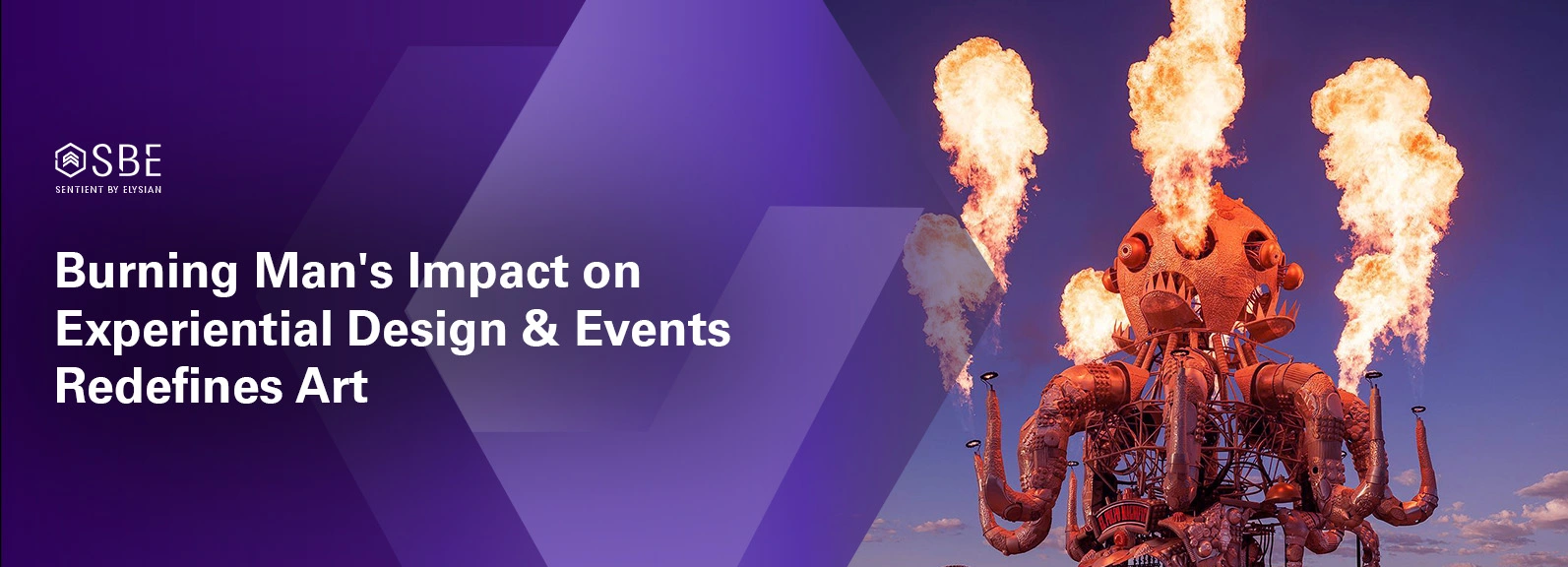
Burning Man is more than an annual festival in Nevada's Black Rock Desert—it's a living blueprint for participatory experiences. By replacing passive spectatorship with active contribution, it has reshaped how brands, museums, retailers, and event organizers design memorable experiences. This article explores the principles behind Burning Man's enduring influence, from co-creation and immersive storytelling to gifting, exploration, and emotional engagement. Through comparisons with LEGO House, Meow Wolf, Secret Cinema, SXSW, Nike House of Innovation, and Sentient by Elysian's work at GITEX Global, it reveals how participation has become the defining principle of modern experiential design.
Long before immersive became the industry's favorite buzzword, Burning Man was redefining what an experience could be. Each year, in Nevada's Black Rock Desert, a temporary city rises from the dust—not to entertain an audience, but to empower one. Here, attendees aren't spectators waiting for the next attraction; they're artists, builders, performers, collaborators, and storytellers shaping the experience in real time.
What began as a radical experiment in participation has grown into one of the most influential blueprints for experiential design. Its philosophy extends far beyond the playa, inspiring everything from immersive exhibitions and music festivals to museum installations and brand activations. Burning Man didn't just challenge the idea of what an event could look like—it changed the role people play within it. Today, the question isn't whether audiences want to participate; it's how the world's most memorable experiences invite them to do so.
So, how did a temporary city in the Nevada desert become one of the most enduring influences on modern experiential design? The answer lies in a set of ideas that challenged conventional event planning—prioritizing participation over performance, community over consumption, and exploration over passive observation. Here's how Burning Man's philosophy continues to shape the experiences we create, attend, and remember.
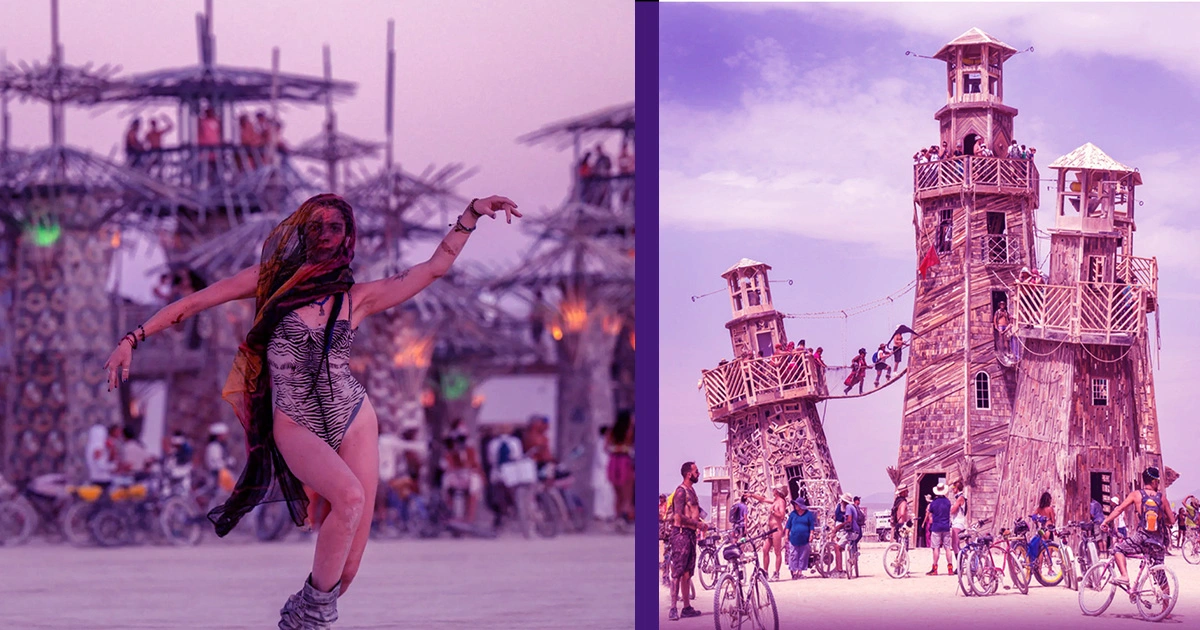
At most events, participation is optional. Attendees watch a performance, browse an installation, or move from one attraction to the next as passive observers. Burning Man turns that model on its head. Built on the principle of radical participation, the event has no audience in the traditional sense. Every person who enters Black Rock City is encouraged to contribute—whether by creating art, hosting workshops, performing music, building interactive installations, or simply helping shape the community around them.
This philosophy comes to life through Theme Camps , self-organized communities that form the heart of Burning Man. Far more than campsites, they function as collaborative spaces where participants design experiences for one another. One camp might host a pop-up jazz lounge, another a tea house in the middle of the desert, while others build climbing structures, interactive games, or unexpected performances. Rather than consuming entertainment, visitors become collaborators, stepping into experiences that are constantly evolving through collective effort.
The result is something few traditional events can replicate: a deep sense of ownership. People remember not only what they saw but also what they helped build, contribute to, or share with others. Participation transforms the experience from something that happens for attendees into something created with them.
This same philosophy has found its way into spaces like LEGO House in Denmark. Instead of asking visitors to simply admire finished creations, the attraction invites them to build, experiment, and add their own ideas to larger installations. The experience becomes personal because every visitor leaves a visible imprint on it.
Whether in the Nevada desert or inside one of the world's most interactive attractions, the lesson is the same: the most memorable experiences aren't designed for an audience—they're designed with one.
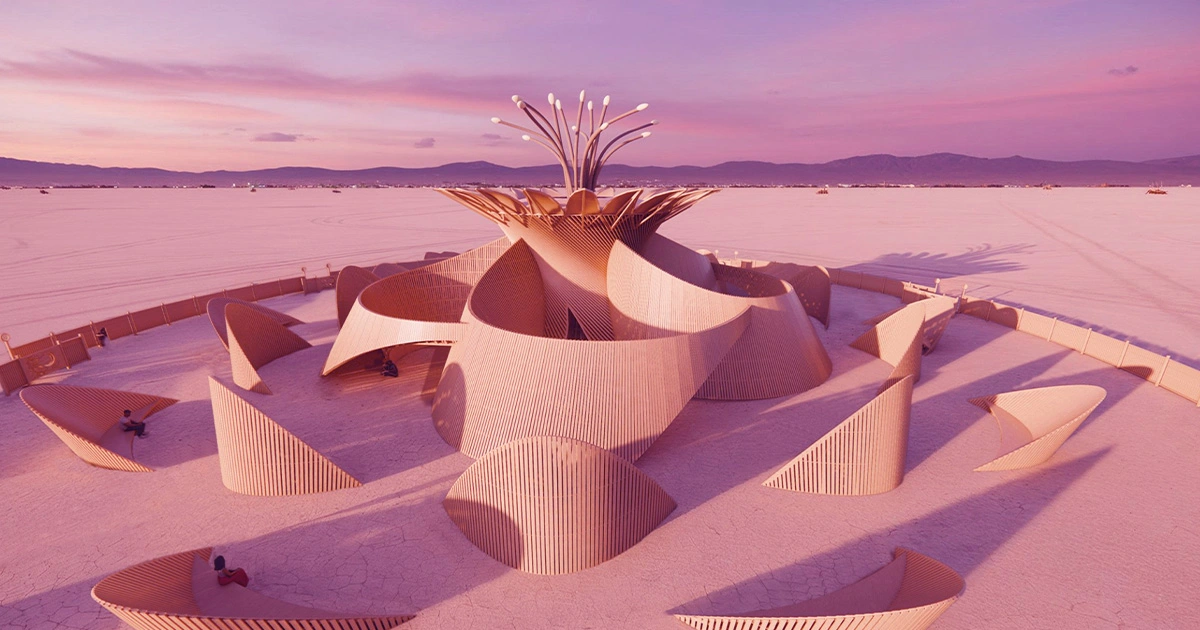
Participation alone doesn't create unforgettable experiences; the environment matters just as much. Burning Man understands this better than most. Every year, Black Rock City transforms an empty stretch of desert into a living, breathing world where architecture, large-scale art, music, costumes, and spontaneous performances blur the line between reality and imagination. Visitors aren't simply moving through a venue—they're stepping into an entirely different way of living, even if only for a week.
One of the most powerful examples is The Temple . Unlike the festival's louder, more celebratory spaces, the Temple offers quiet reflection. Participants write messages to loved ones, leave photographs, memorialize personal losses, or simply sit in silence with strangers. When the structure is ceremonially burned at the end of the event, it becomes a shared ritual that is deeply personal yet profoundly collective. The experience isn't driven by spectacle alone but by the emotions people bring into the space.
This idea of creating complete, story-driven environments has influenced immersive experiences far beyond the playa. Meow Wolf , for instance, has redefined what an art exhibition can be by turning galleries into interconnected worlds filled with hidden narratives, secret passages, interactive objects, and nonlinear storytelling. Rather than observing artwork from behind a barrier, visitors uncover clues, solve mysteries, and shape their own journey through the space. No two visits feel exactly alike because the experience unfolds through exploration rather than instruction.
Both Burning Man and Meow Wolf demonstrate that immersion isn't about elaborate sets or cutting-edge technology alone. It's about designing environments that invite curiosity, emotion, and agency. When people feel as though they've entered a world instead of attending an event, they're far more likely to engage with it, remember it, and form lasting connections to it. That's the difference between visiting a place and becoming part of its story.
One of Burning Man's most radical ideas isn't found in its art or architecture—it's found in its economy. Or rather, the lack of one. Inside Black Rock City, money largely disappears from the equation. Instead of buying experiences, participants are encouraged to contribute through the principle of gifting. That gift could be as elaborate as serving gourmet meals to strangers, building an interactive installation, offering free bike repairs, hosting a sunrise yoga session, or simply sharing a conversation. Nothing is expected in return.
This philosophy shifts the focus from transaction to connection. When experiences aren't tied to a price tag, interactions become more genuine, driven by generosity rather than exchange. The value lies not in what something costs, but in the memories and relationships it creates. In many ways, gifting becomes another form of participation—one that strengthens the sense of community while reminding attendees that everyone has something meaningful to offer.
A similar sense of collective contribution can be seen in Secret Cinema , where audiences aren't just ticket holders—they're invited to become characters within the story. Guests arrive in costume, interact with performers, complete missions, and help shape the atmosphere of the experience. While the event is commercial, its success depends on the willingness of participants to fully commit to the world around them. The more people contribute, the richer the experience becomes for everyone.
Both examples reveal an important truth about experiential design: the strongest engagement often comes from emotional investment rather than financial investment. Whether through gifting, role-playing, or acts of collaboration, people remember the moments they helped create far more vividly than the ones they simply purchased. In an era where almost everything can be bought, experiences that encourage people to give something of themselves stand apart—and stay with them long after the event ends.
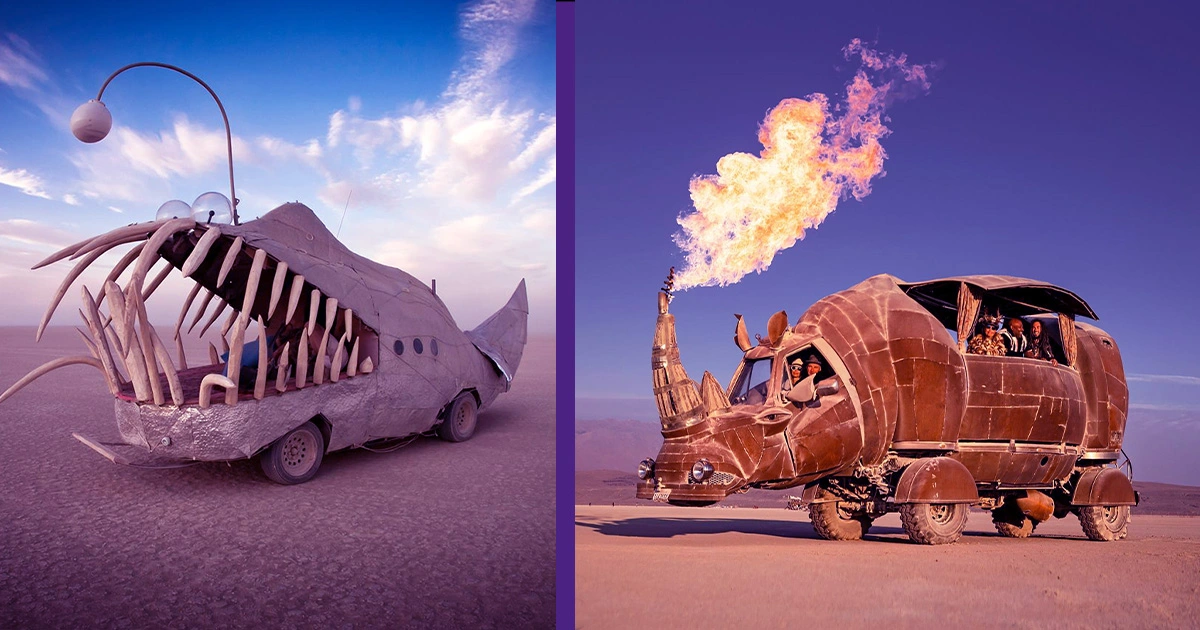
Not every memorable experience needs a carefully planned itinerary. In fact, some of the most rewarding moments happen when people stumble upon them unexpectedly. Burning Man embraces this philosophy by replacing rigid schedules with a landscape designed for discovery. There is no prescribed route through Black Rock City, no checklist of must-see attractions. Instead, participants are encouraged to wander, follow their curiosity, and let chance encounters shape their experience.
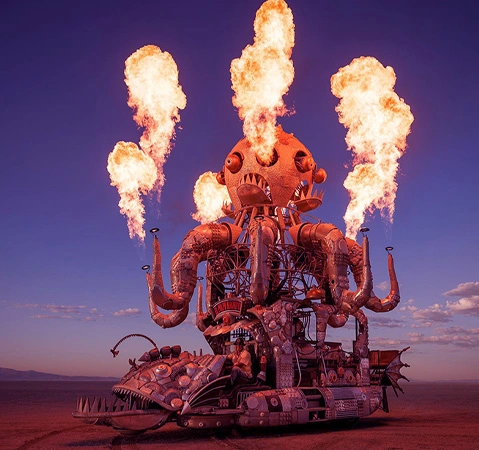
This sense of exploration comes alive through Burning Man's iconic Art Cars—mutant vehicles transformed into everything from giant sea creatures and dragons to glowing spaceships and moving dance floors. Roaming freely across the playa, they appear when least expected, often carrying impromptu performances, music, or conversations with strangers. The same spirit extends to hidden installations, interactive sculptures, and spontaneous workshops that reveal themselves only to those willing to venture off the beaten path.
This principle has become increasingly common in contemporary experiential events like SXSW , where some of the most talked-about moments happen beyond the official programme. Interactive brand pop-ups, surprise performances, invite-only installations, and experimental showcases are scattered across the city, rewarding attendees who explore rather than simply follow a schedule. The event becomes less about checking off sessions and more about uncovering unexpected moments that feel personal and exclusive.
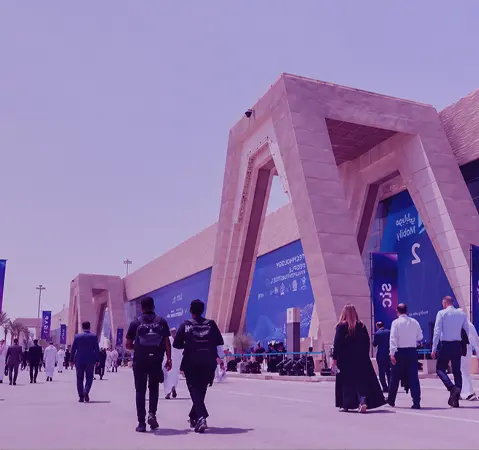
This philosophy is also being brought to life by Sentient By Elysian , a UAE-based experiential design and event technology company. Their work on GITEX Global 2024 showcased how immersive technology can transform passive visitors into active participants through interactive installations, holographic storytelling, and sensory-led environments. From the unveiling of the A2RL autonomous race car using the dynamic Peekaboo installation to AI-powered digital avatars that invited real-time interaction, the experience demonstrated how participation can become the centerpiece of brand engagement rather than an afterthought.
For experience designers, this offers an important lesson: curiosity is a powerful engagement tool. When visitors are free to discover, choose their own path, and uncover hidden experiences, they become active participants in the narrative. The experience feels earned rather than delivered. Whether it's a surprise art installation in the Nevada desert or an unexpected activation on the streets of Austin, the thrill of discovery transforms audiences from passive attendees into explorers—making every journey uniquely their own.
What began as a countercultural experiment in the Nevada desert has quietly influenced some of the world's most forward-thinking brands and experience designers. While few commercial events can replicate Burning Man's scale or philosophy in its entirety, many have adopted its central idea: people don't just want to consume experiences—they want to shape them.
This shift is especially visible in spaces like Nike House of Innovation , where retail moves beyond racks of products and static displays. Visitors can personalise apparel, test products through interactive experiences, explore digitally connected spaces, and engage with the brand in ways that feel collaborative rather than transactional. Shopping becomes an experience, not just an exchange, because customers are invited to play an active role in the journey.
The same philosophy has spread across immersive museums, experiential retail, music festivals, and branded activations. Pop-up installations encourage visitors to create content rather than simply photograph it. Museums increasingly incorporate hands-on exhibits that invite exploration instead of observation. Brands design spaces where audiences customise products, influence outcomes, or contribute to a larger story. Across industries, participation has become a design principle rather than an added feature.
What Burning Man demonstrated long before it became a marketing trend is that engagement isn't measured by attendance alone . It's measured by involvement, contribution, and emotional connection. The most successful experiences today don't ask, "How do we impress our audience?" They ask, "How do we make them part of the story?"
That may be Burning Man's greatest legacy. Beyond the art, the desert, or the spectacle, it proved that the audience itself can be the experience. In an age where people increasingly value authenticity, collaboration, and personal connection, that idea has become one of the defining principles of modern experiential design.
Burning Man's influence extends far beyond the week it exists in Nevada's Black Rock Desert. Its greatest contribution isn't a spectacular installation, a monumental sculpture, or even the city it builds each year—it's a mindset. By replacing passive spectatorship with active participation, it redefined what people expect from experiences and, in doing so, reshaped the way events, brands, museums, and cultural spaces are designed.
Today, the most successful experiences don't simply entertain; they invite people to contribute, explore, personalise, and connect. Whether it's through collaborative art, immersive storytelling, unexpected discovery, or meaningful interaction, the goal is no longer to create something for an audience but something with them.
As experiential design continues to evolve, Burning Man remains a powerful reminder that unforgettable experiences aren't measured by the size of the stage or the sophistication of the technology. They're measured by how deeply people feel involved. Because when individuals become creators instead of consumers, the experience doesn't just leave an impression—it becomes a story they're proud to say they helped create.
Website | LinkedIn | Instagram | YouTube | Facebook