2-03-2026
Berlinale: How Cinema Is Expanding Beyond the Screen...


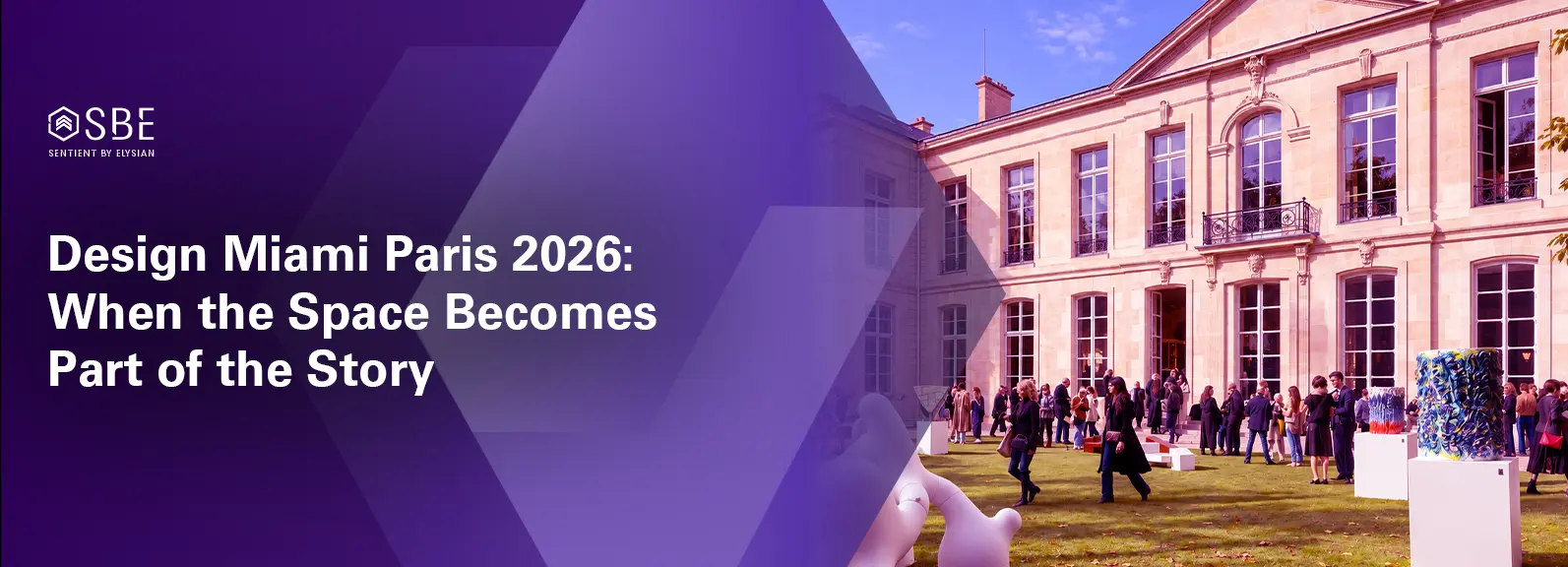
Collectible design is moving out of the white cube and into spaces that talk back. Design Miami Paris, now in its fourth edition, takes over L'Hôtel de Maisons, an 18th-century Parisian mansion, from 20 to 25 October 2026. Its announced programme, from a mosaic installation about shelter and origin to a performative-furniture project and three very different brand presentations, suggests that the most interesting thing at the fair may not be the objects themselves but the environments that give them meaning. This article looks at what has been confirmed so far, what it reveals about the direction of experiential design, and what designers of exhibitions and activations can take from it. The fair has not yet opened, so this is a look ahead, not a review.
The boundaries between design, art, and experience are becoming increasingly fluid. Furniture can become sculpture. An installation can transform into an environment of its own. Materials once valued primarily for their practical qualities are now explored for their emotional, sensory, and artistic potential. Even the space surrounding an object can shape how we perceive its meaning and value.
This evolution is particularly interesting in an increasingly digital world. As artificial intelligence, immersive technologies, and interactive platforms reshape how audiences engage with creative work, the value of physical materials, craftsmanship, and thoughtfully designed environments is gaining renewed attention.
Design Miami Paris 2026 offers an interesting perspective on this conversation.
Held at the historic L’Hôtel de Maisons, the fair brings together galleries, designers, collectors, and luxury brands to explore collectible design across historical and contemporary disciplines. Beyond the objects themselves, what makes the Paris edition particularly compelling is how architecture, materials, and spatial storytelling contribute to the experience.
Several projects in this year's announced programme explore how physical experiences are conceived, staged, and remembered. While visitors have yet to experience these installations firsthand, their creative intentions already offer valuable insights into the evolving relationship between design and human perception.
The question worth exploring is no longer simply what design looks like, but how the environments we create influence what people feel, understand, and remember.
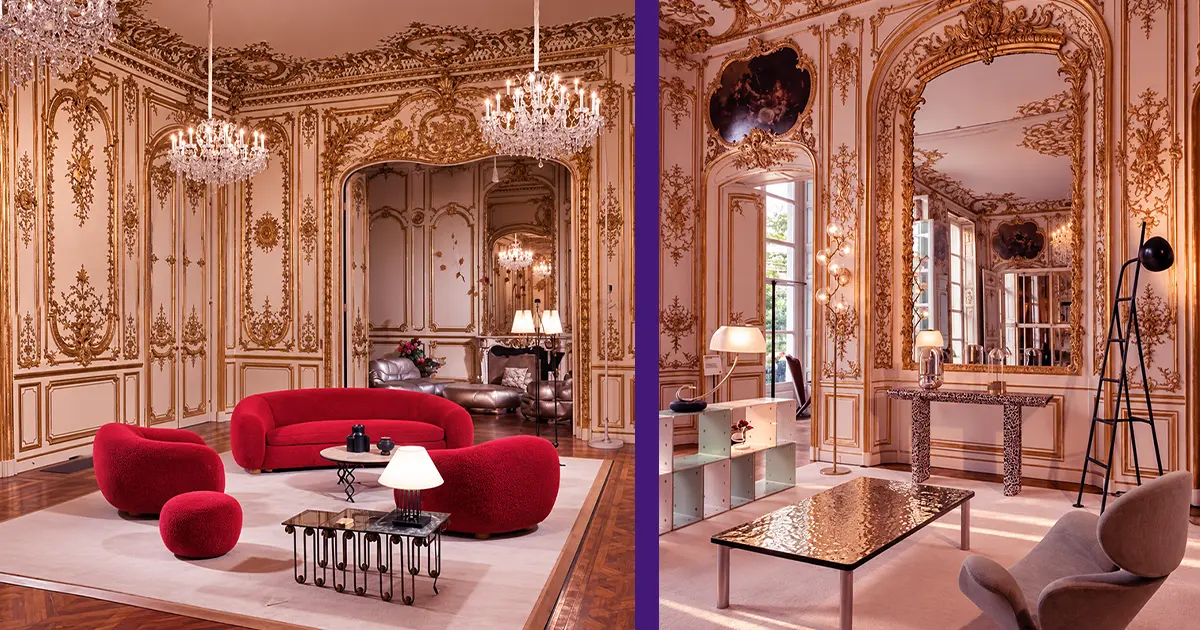
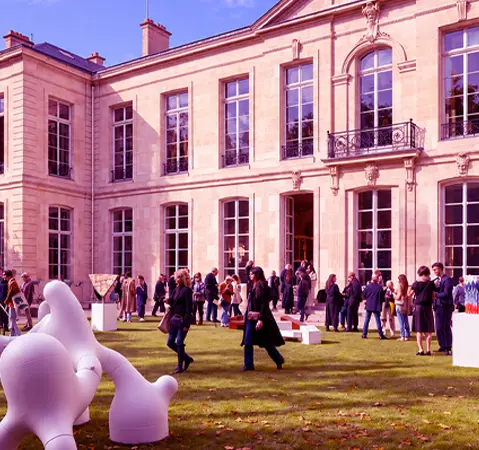
Before visitors encounter a single object, they walk through a door. For its 2026 edition, Design Miami Paris returns to L’Hôtel de Maisons, an 18th-century Parisian mansion once associated with the aristocratic Pozzo di Borgo family and later home to fashion designer Karl Lagerfeld. Its ornate rooms, courtyard, and gardens create an atmosphere far removed from a conventional exhibition hall.
The question here: does a setting like this raise the perceived value of what is shown, or does it simply change how we experience it? The honest answer is probably a bit of both, and the distinction is subtle. A historic interior brings its own layers of reference: domestic scale, circulation, light, the sense that people have lived here. Objects are no longer judged in isolation; they are read against that backdrop, and visitors move through the space in sequences dictated by architecture rather than by a neutral grid of booths.
This is venue-led experience design in its purest form. The building does storytelling work before any curator has intervened, and the best presentations will be those that respond to it instead of fighting it. For anyone producing events, the lesson is that venue choice is not a logistical decision made after the concept is settled. It is part of the concept.
Two announced projects in the 2026 partner programme point toward the same idea from very different directions: that an object or installation can communicate through the body, not just the retina.
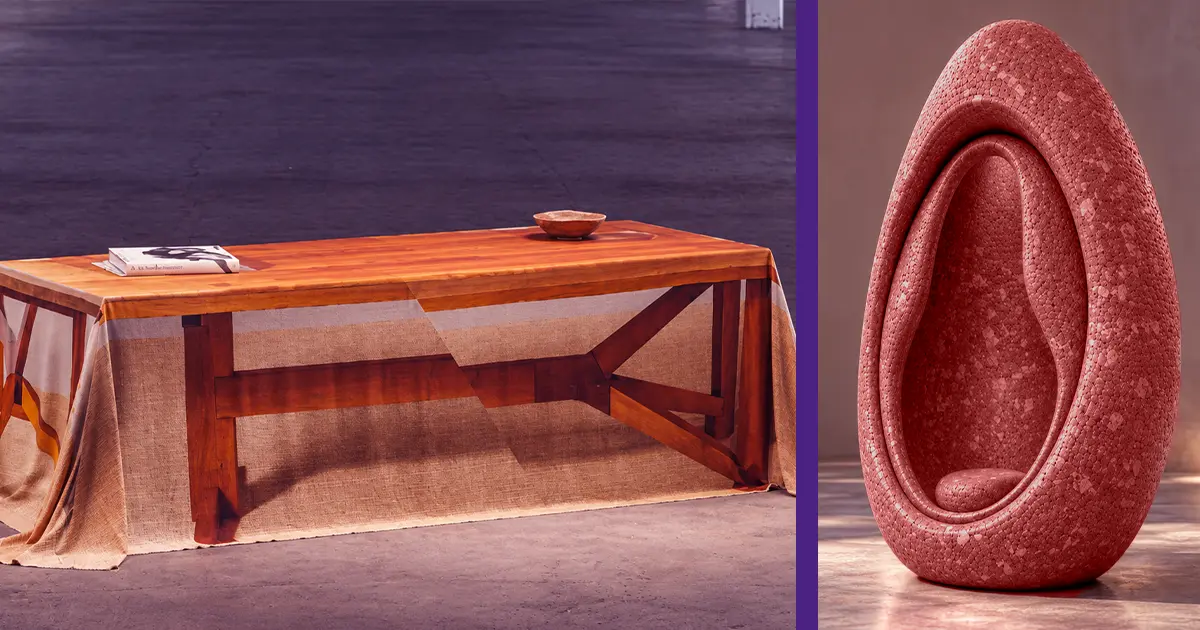
Friul Mosaic: La Plus Belle Matrice. Friul Mosaic's installation explores the idea of the matrix as an architectural origin and a protective space, using mosaics to evoke intimacy, shelter and spatial formation. What stands out is the method. Meaning is carried by material, texture and arrangement, not by a screen or a soundtrack. Mosaic is among the oldest architectural languages we have, built from countless small pieces that only become an image when seen as a whole. Using it to talk about origin and enclosure is a neat piece of conceptual economy: the medium and the message are the same thing.
Jordan Roth: To Think of the Tranquil Life of Things. Jordan Roth's first exploration of performative sculpture and functional design considers how furniture witnesses people's lives and the changes they experience. It is an appealing premise. We tend to think of furniture as background, yet it is often present for the most ordinary and most important moments of a life. Framing an object as a witness gives it a narrative that extends well beyond its form, and it blurs the line between static exhibit and performance, a territory that feels increasingly fertile for creators of all kinds.
Both projects challenge the assumption that a memorable experience has to be technology-led. It is worth being clear about this: there is currently not enough verified evidence to say that AI, projection mapping or responsive environments are central to the Paris 2026 edition, and it would be wrong to attribute them to the fair without a confirmed project. What the announced work does show is that craft, material and spatial thinking can carry as much emotional weight as any digital layer.
That is a perspective we recognise at Sentient by Elysian. Our work often involves digital sculpture and interactive installation, such as the digital sculptures and immersive space created for IQ Real Estate at Cityscape Riyadh. But the lesson from our own projects is that technology only works when it serves a spatial idea. The strongest installations, digital or not, are the ones where form, material and movement all say the same thing.
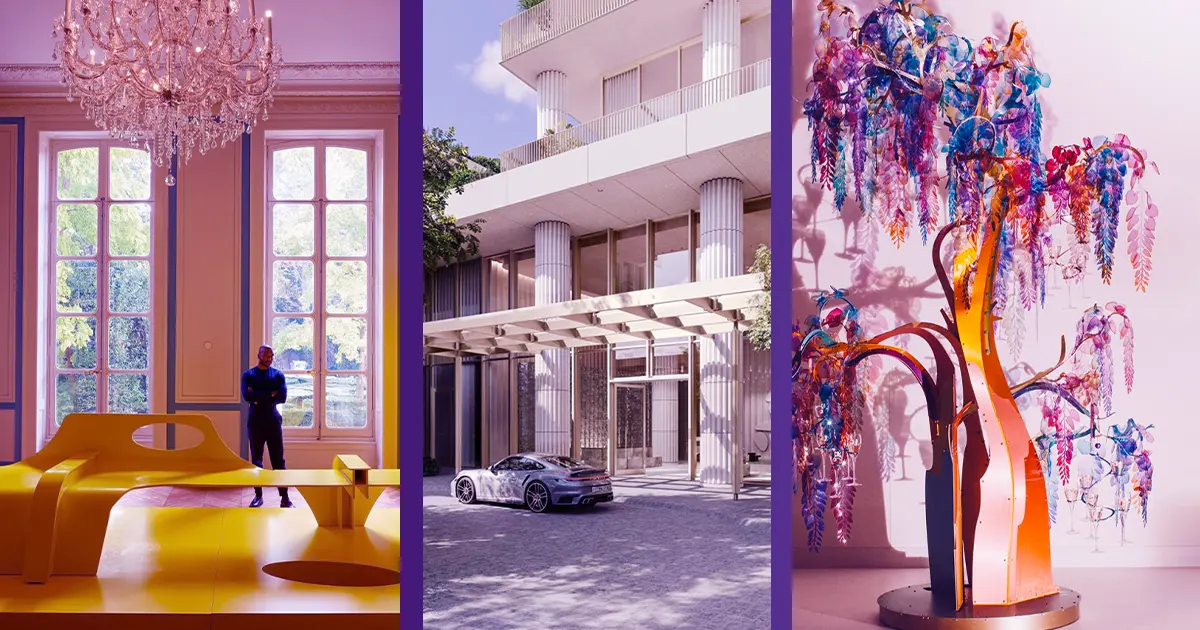
The partner programme is where the fair most clearly overlaps with the world of brand experience, and three announced presentations show three distinct strategies.
Range Rover Gallery 2026 positions craftsmanship, innovation and modern luxury within a cultural setting. The approach is to build meaning beyond product specifications: the context does the persuading, so the brand can talk about values rather than features.
Fouquet's Hotel & Residences Miami will introduce its forthcoming Miami Design District property through curated installations combining architecture, landscape, hospitality and design. This one is perhaps the most instructive for anyone working in property or hospitality. A destination that does not yet physically exist can be experienced in advance, through atmosphere and materials, long before a key is handed over. The parallels with real estate launches, hospitality showcases and investor presentations are obvious.
Maison Perrier-Jouët has collaborated with creative practitioners since 2012, exhibiting their work at major art and design fairs to raise awareness of the complexity of the living world. Here the brand's identity is expressed through cultural participation: not a stand selling champagne, but a long-running relationship with artists and designers that gives the house a point of view.
The common thread is restraint. None of these brands is simply displaying a product. Each is borrowing the language of culture, whether craft, architecture or art, to say something about who it is. Other confirmed partners, including GIOBAGNARA, Manufactures nationales – Sèvres & Mobilier national, Savannah College of Art and Design (SCAD) and TOLIX, add further angles around leather, porcelain and tapestry heritage, commissioned work, education and metalworking.
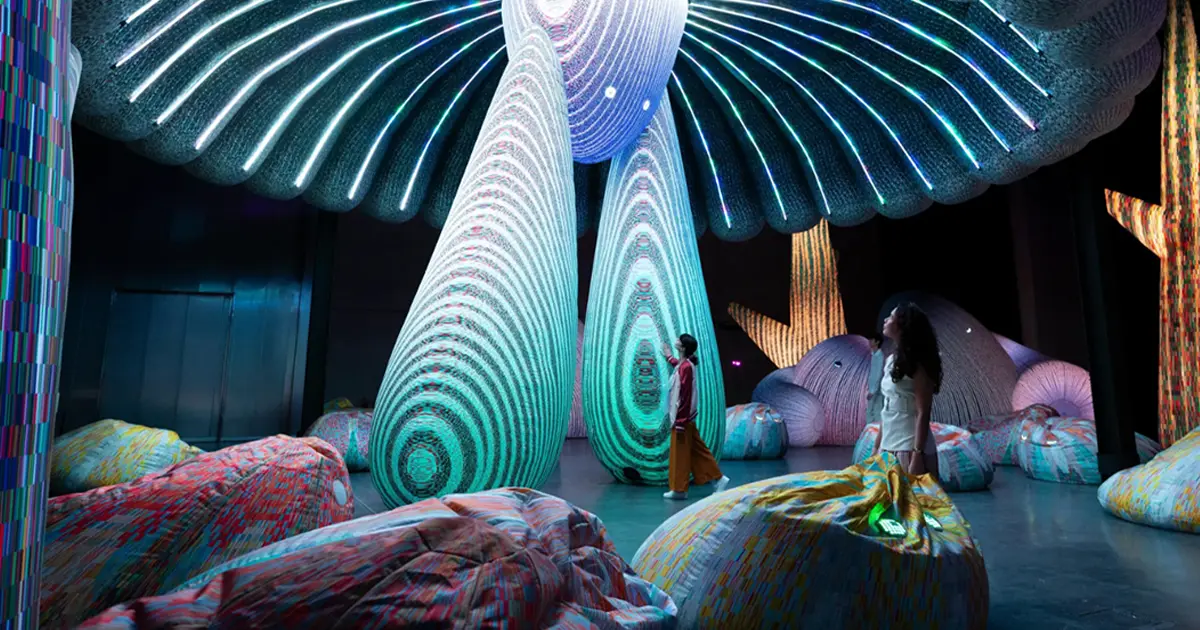
There is also a regional footnote worth noting. Design Miami announced, in an official press release dated 2 December 2025, a collaboration with Alserkal to bring a collectible-design platform to Dubai. For those of us working in the UAE, it signals growing international appetite for design-led cultural programming in the region, and with it new expectations of exhibition production and brand collaboration.
It is too early to assess visitor reactions or commercial results, but the announced programme already reveals a clear creative direction. A historic mansion becomes part of the storytelling. Materials and craftsmanship, from mosaic and porcelain to leather, communicate ideas through physical expression. Functional objects take on narratives of their own, while brands participate as cultural contributors rather than conventional advertisers. Even access, through previews, talks, and VIP programming, becomes part of the experience.
For experienced designers, these choices offer more than an exhibition format. They raise a fundamental question: What should a space make its audience feel, understand, and remember?
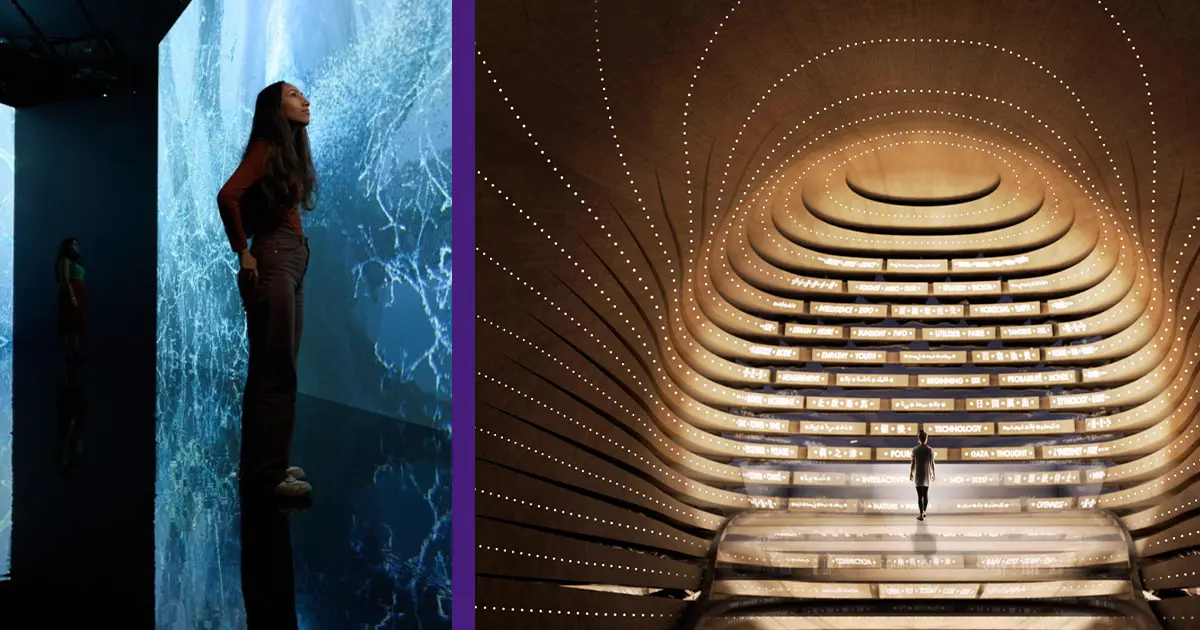
This thinking extends far beyond the design world. At Sentient by Elysian, experience design begins with understanding the story a space needs to communicate. Whether through digital sculptures, immersive environments, interactive technologies, or a carefully developed design language, the objective is to translate a vision into something audiences can experience rather than simply read about.
Among the announced partner presentations at Design Miami Paris 2026, Fouquet's Hotel & Residences Miami offers another perspective on spatial storytelling. Through curated installations combining architecture, landscape, design, and hospitality, the brand plans to introduce the creative vision behind its forthcoming Miami property before visitors can experience the destination itself.
What Design Miami Paris 2026 appears to reinforce is that technology and craftsmanship are tools, not strategies. The strategy lies in understanding what an experience should communicate and selecting the right creative elements to bring that intention to life.
From the first impression to the final interaction, every detail contributes to how audiences perceive and remember a space. Ultimately, the most compelling experiences are those in which architecture, content, technology, and human interaction work together as part of one cohesive narrative.
Website | LinkedIn | Instagram | YouTube | Facebook