17-03-2026
Amanati and the Rise of Immersive Music Worlds...


Animation is finding new ways to connect with audiences beyond traditional screens. At the Sharjah Animation and Comics Conference (SACC 2026), interactive workshops, character performances, exhibitions, and industry discussions offered an interesting perspective on this evolution. What can the event teach us about animation content creation, audience participation and the design of live experiences?
What makes an animated character memorable? Is it the way it looks, the voice that brings it to life, or the personality audiences recognise through its movements?
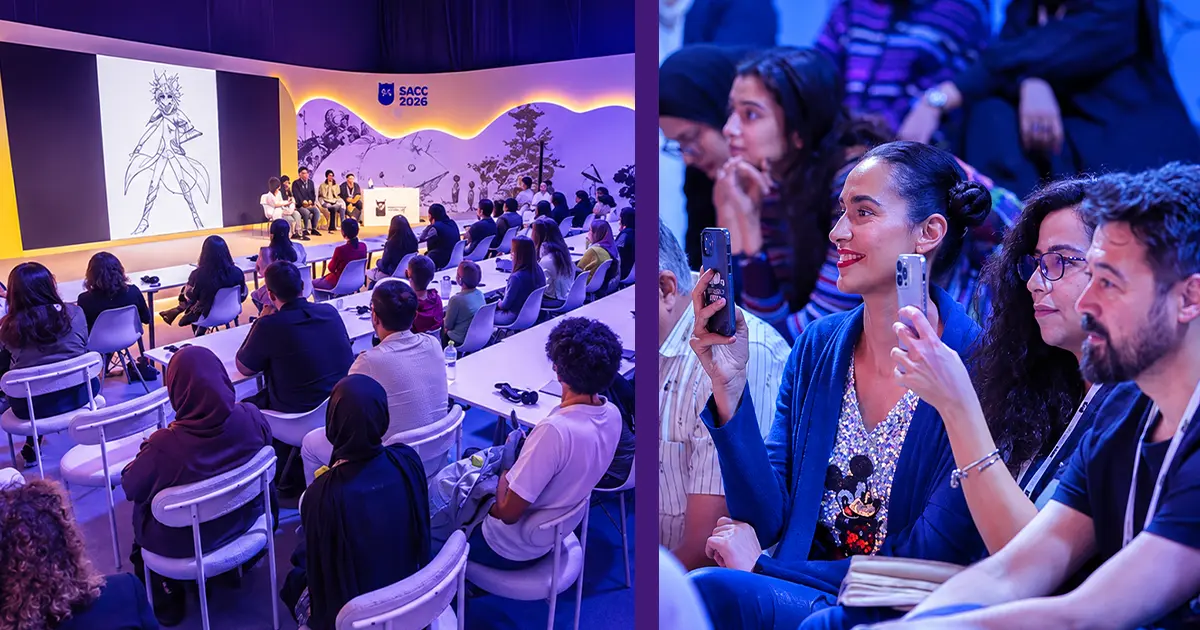
At SACC 2026, held in Sharjah from 22 to 25 October, these questions became particularly relevant as visitors were invited to explore animation through participation, performance and creative experimentation. The conference brought together animation professionals, artists, filmmakers and entertainment enthusiasts through more than 150 activities. Yet some of its most interesting insights came from relatively simple interactions.
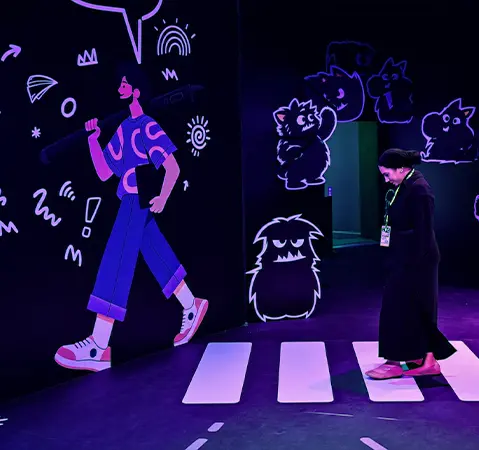
At the Dubbing Corner, led by Tala Tourgan, visitors could record dialogue for selected animated scenes, experimenting with the voices and expressions that give characters their personalities. Elsewhere, more than 55 workshops and masterclasses introduced audiences to illustration, animation, character design and voice acting.
These activities offer an interesting example of how animation can contribute to the visitor experience. Instead of encountering a completed piece of content, participants could discover the decisions and creative processes behind it. This distinction is worth exploring. Interactive experiences can create opportunities for audiences to influence, experiment with or contribute to the content they encounter. The visitor becomes involved in how the experience unfolds, making participation part of the storytelling itself.
The creative challenge is to design these interactions with purpose. A microphone, an animated character or an interactive display may encourage participation, but the experience becomes more meaningful when that interaction connects visitors to a larger narrative.
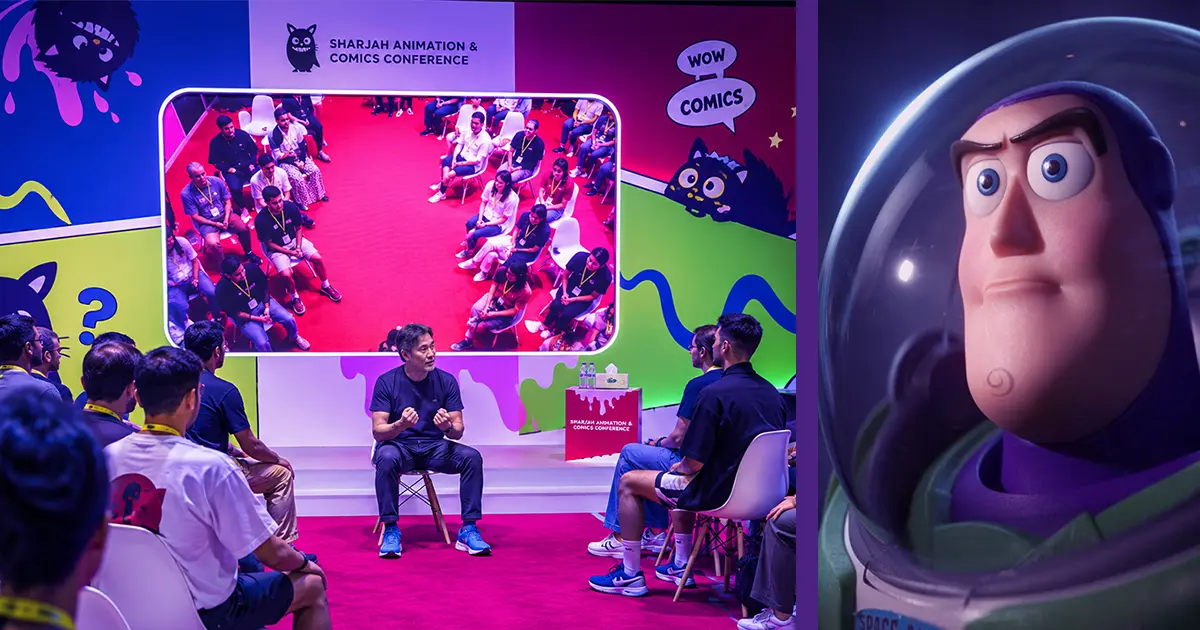
Animation content creation involves considerably more than producing movement on a screen. The relationship between voice, physical expression and character development determines how audiences recognise and connect with animated personalities.
This became evident during the SACC session How Buzz Spoke Arabic, where Pixar animator Doug Sweetland, voice professor Jehan Al Nasser and playwright Essam Al Sayed explored the Arabic adaptation of Buzz Lightyear, known as Buzz Yatir.
Sweetland explained that he could recognise Buzz even when the character spoke a language he did not understand. Al Nasser discussed the importance of understanding a character's relationships and physical qualities before selecting a voice, as well as the technical challenge of adapting dialogue to animated mouth movements.
The discussion revealed something relevant beyond language adaptation. A character's identity depends on a combination of visual design, movement, voice and behaviour. These elements work together to create a personality audiences can recognise across different contexts.
A similar principle emerged in Hollywood movement coach Terry Notary's masterclass , where participants explored posture, rhythm and physical performance through exercises inspired by creature movement.
Notary's work with motion capture and character performance demonstrated how subtle physical details can make fictional characters feel believable. Weight, hesitation and imperfection contribute to the personality audiences perceive.
For animation creators working in experiential design, these observations have practical implications. An animated character developed for a film may eventually appear in a digital installation, an interactive environment or a live performance. Although the format changes, the character's identity must remain consistent. This requires content creators to think beyond the individual animation sequence and consider how a character behaves across different environments, interactions and audience journeys.
The relationship between animated content and physical experiences was also reflected in SACC's wider programme.
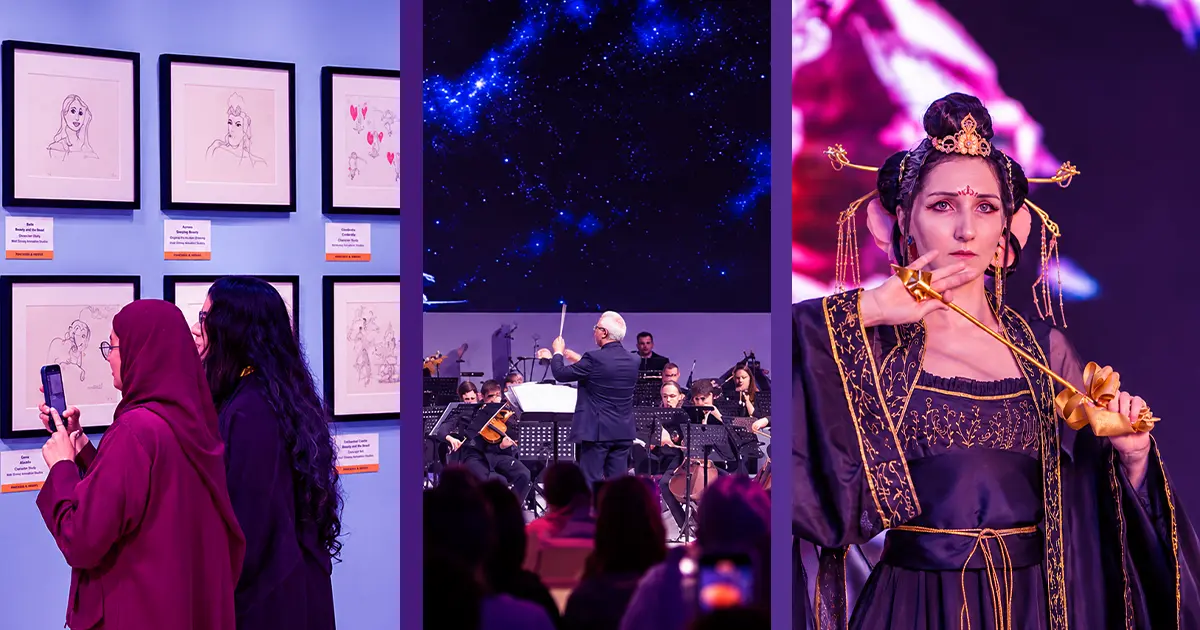
The Princesses and Heroes exhibition presented more than 100 original and historical Disney drawings, offering visitors an opportunity to explore the artistic development behind familiar characters. Meanwhile, Arabesque showcased artwork inspired by Arab heritage and folklore, highlighting the relationship between visual storytelling and cultural identity.
Both exhibitions offered different ways of engaging with animation. Visitors could explore the creative origins of established characters while discovering how regional narratives influence contemporary illustration. Live entertainment introduced another dimension. The conference's musical programme included orchestral performances featuring scores associated with animated films and anime, including My Neighbour Totoro, Ponyo and Disney productions.
Music provided a different point of connection with stories audiences already knew. Familiar compositions could evoke characters, scenes and emotions without requiring the original animation to appear on screen.
Alongside these experiences, cosplay, gaming tournaments, Artist Alley and other activities created opportunities for visitors to engage with fictional worlds through performance, play and creative expression. Taken together, these formats illustrate an important consideration for the events industry: a story can support multiple audience experiences without being confined to one form of presentation.
An animated narrative can inform spatial design, visual content, interactive installations, sound and live entertainment. Each format offers a different way for audiences to connect with the same creative idea. The opportunity for experience designers lies in bringing these elements together so that they contribute to a coherent visitor journey.
As animation becomes increasingly connected with digital experiences, the technologies used to produce and present content continue to evolve. Artificial intelligence, motion capture, real-time rendering, and interactive systems are expanding the possibilities available to animation creators and experiential designers.
However, the discussions at SACC suggested that creative direction remains central to how these tools are used. During the session AI Workflows That Don't Harm Your Art , industry professionals explored the opportunities and challenges associated with integrating AI into
animation production.
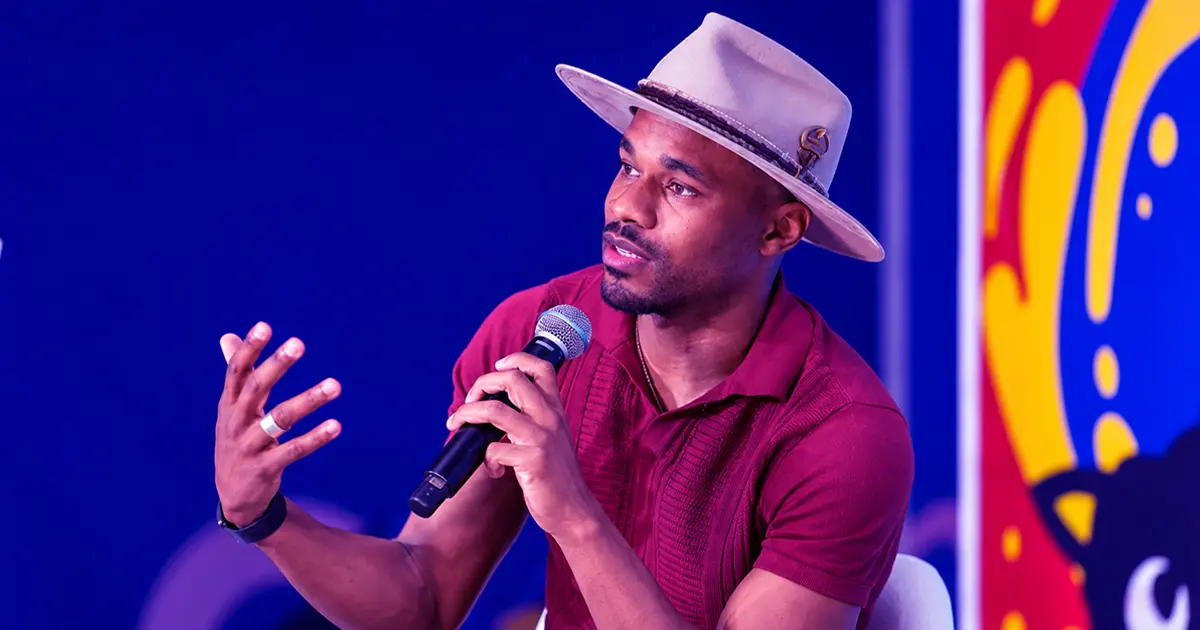
ForgeVision's Saud Boksmati raised concerns about over-reliance on automated tools and the potential loss of essential creative skills, including scripting and art direction. Other discussions examined how AI could support production workflows while preserving human involvement in creative decisions. For the events industry, this conversation is particularly relevant.
Animated content can be developed for large-scale digital environments, interactive surfaces, immersive installations, and live productions. Real-time technologies can allow visuals to respond to audience actions, while motion graphics and 3D animation can help communicate complex ideas through movement and visual storytelling. Yet the effectiveness of these applications depends on how they contribute to the overall experience.
A responsive animation should give audiences a meaningful reason to interact. An immersive visual environment should support the story being communicated. Technology becomes valuable when you consider its capabilities alongside the audience journey and creative objectives. The challenge is therefore both technical and creative: understanding what the technology makes possible and determining which possibilities genuinely improve the experience.
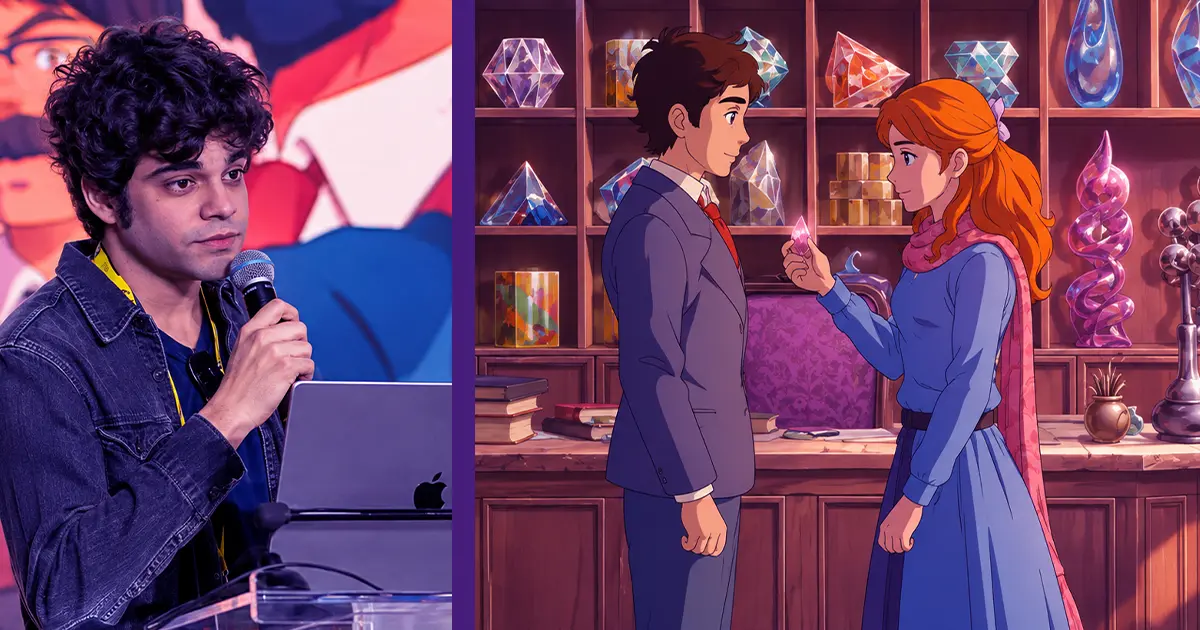
One of the most important conversations at SACC concerned the development of original animated content and the creative industries supporting it. The conference's professional programme explored animation financing, intellectual property, production partnerships and opportunities for regional storytelling.
During the How Animation Deals Get Made discussion, industry professionals highlighted the time and investment required to develop animation projects, including the importance of involving potential distribution partners during the early stages of production.
Initiatives such as the Book2Screen Challenge and Pitch the Project Award also reflected growing interest in developing original stories and adapting existing intellectual property into animated productions. These developments matter to the events industry because compelling experiences often begin with compelling creative material.
A distinctive character or narrative can become the foundation for different forms of entertainment, including themed environments, interactive installations, branded experiences and live performances.
The success of these adaptations depends on more than visual consistency. Content creators need to understand the story's identity, its emotional qualities and the different ways audiences may encounter it. This also creates opportunities for regional storytelling.
Characters and narratives inspired by local culture can introduce distinctive visual languages and creative perspectives into entertainment and experiential design. When developed thoughtfully, they can support experiences that connect cultural identity with contemporary forms of audience engagement.
Although SACC 2026 was primarily an animation and comics conference rather than an immersive technology exhibition, its programme offered several useful observations for professionals designing live experiences.
The Dubbing Corner demonstrated how participation can become part of the content itself. Character performance sessions highlighted the importance of movement and personality. Exhibitions and concerts showed how familiar stories can be experienced through different artistic formats. Together, these examples suggest that animation content creation has a broader role to play in experiential design.
Animation can help establish the visual identity of an environment, introduce characters that guide audiences through an experience, communicate information through movement and create opportunities for interaction. Its contribution becomes particularly valuable when content development is considered alongside spatial design, technology and visitor behaviour.
At Sentient By Elysian, this relationship between creative content and physical experience is central to how animation, motion graphics, 3D content and interactive technologies can work together. An animated character appearing on an interactive surface requires different creative considerations from one developed for a conventional film. A visual narrative designed for an exhibition must account for the environment, viewing distances, visitor movement and the ways audiences engage with the content. These decisions influence not only how animation looks, but also how it functions within an experience.
The observations from SACC reinforce the importance of approaching animation as part of the wider experience design process, where creative direction, content production and technology are developed with a shared understanding of the audience.
SACC 2026 brought together different dimensions of animation, including character development, voice acting, physical performance, visual art, technology and original storytelling.
What makes these elements relevant to the events industry is their ability to contribute to experiences that audiences can explore and participate in. As animation continues to find applications across physical and digital environments, content creators and experience designers have an opportunity to explore how stories can be expressed through different formats while maintaining their identity.
The most interesting question may be less about where animation can appear next and more about *what audiences can experience, discover, and do when they become part of the story.
Website | LinkedIn | Instagram | YouTube | Facebook