
16-02-2026
How the Olympics Turned Opening Ceremonies into Immersive Global Shows ...


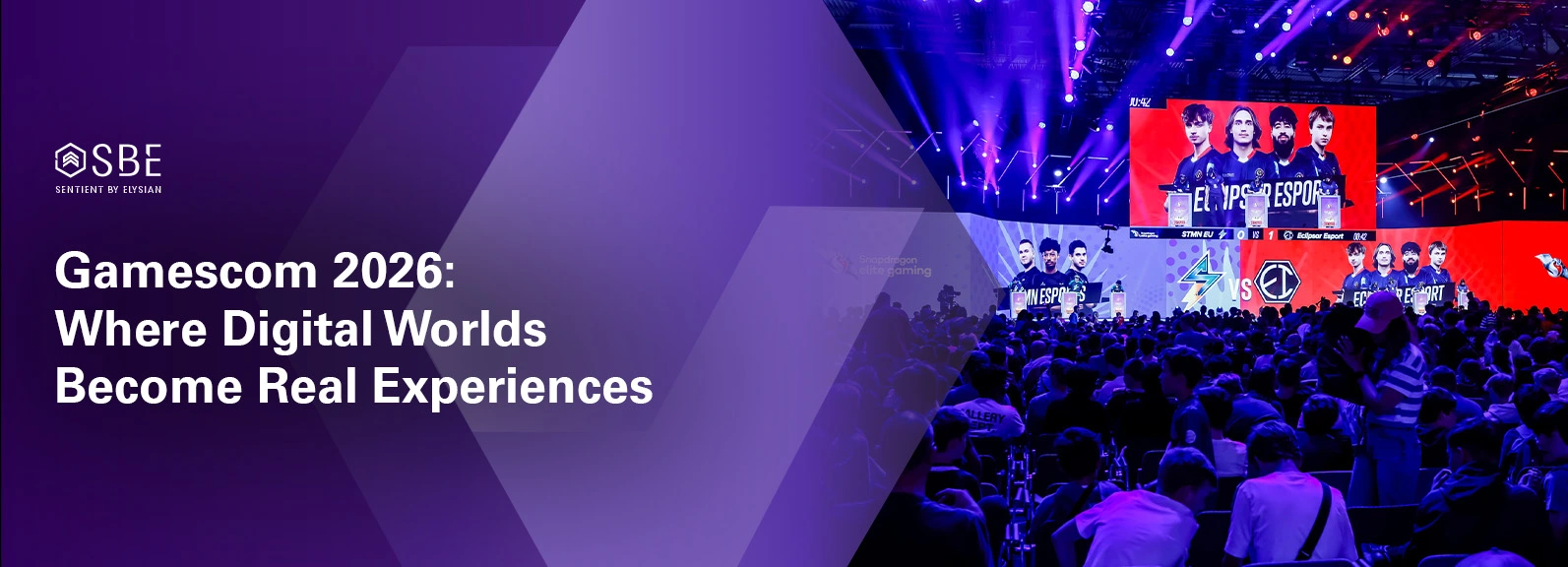
Gamescom, the world's largest gaming event, returns to Cologne's Koelnmesse in 2026 with its exhibition space fully booked for the first time in its history. Across Gamescom's halls, community stages, speedrun marathons and cosplay villages, the industry is building physical, participatory environments around digital worlds, previewing techniques that brands, destinations and experience designers outside gaming will need to understand. Let’s look at what is genuinely changing about Gamescom 2026, and what it signals about the future of live, physical experience.
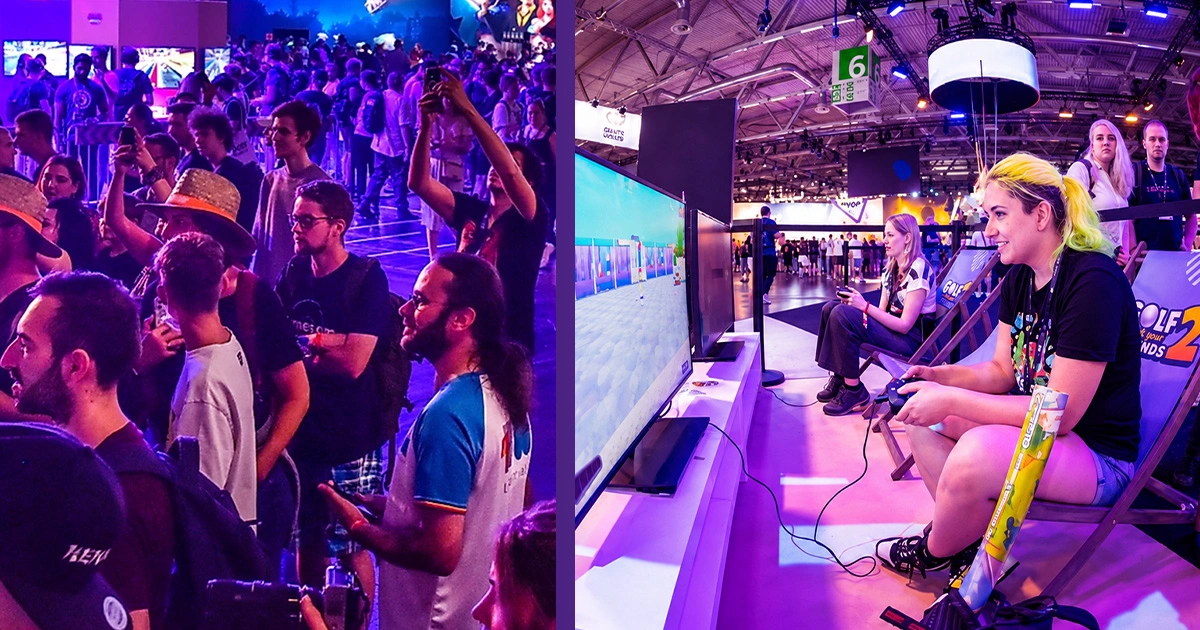
Gamescom 2026 arrives with exhibition space fully booked for the first time in its history, and organisers are already scoping how to expand for future editions, a milestone read as a recovery signal for an industry that has had a difficult stretch. But what's changing about the visitor experience is more interesting than square-metreage.
The clearest shift is that community and social programming has been formally elevated alongside the exhibitor floor, not left as a fringe activity. New and established formats are creating additional spaces for fans, content creators, cosplayers and international gaming communities, with the show's event arena converting into a social stage across several days, hosting the cosplay contest, a DidYouKnowGaming panel quiz and other community programming. Games Done Quick, the US-based speedrunning charity marathon, is holding its first-ever European event at Gamescom 2026, offering close to ten hours of live speedrunning daily, with donations directed to a "Gaming for Democracy" initiative.
Notably, when asked what visitors shouldn't miss, Gamescom's own director pointed away from the big-budget booths, recommending the newer community experiences, the GDQ marathon, the cosplay social stage, and the indie area, over the entertainment area's biggest names. That's a meaningful statement of priority from the event's own leadership: the thing worth seeking out isn't only the biggest booth; it's the areas built around participation. The exhibitor mix backs that up too, with several major names, Konami, Tencent Games, Embark Studios, Level Infinite, joining the 2026 lineup for the first time.
The programme already tells us what kind of event this is becoming: less a trade show with a public afternoon bolted on, more a festival where the trade show is one layer among several.
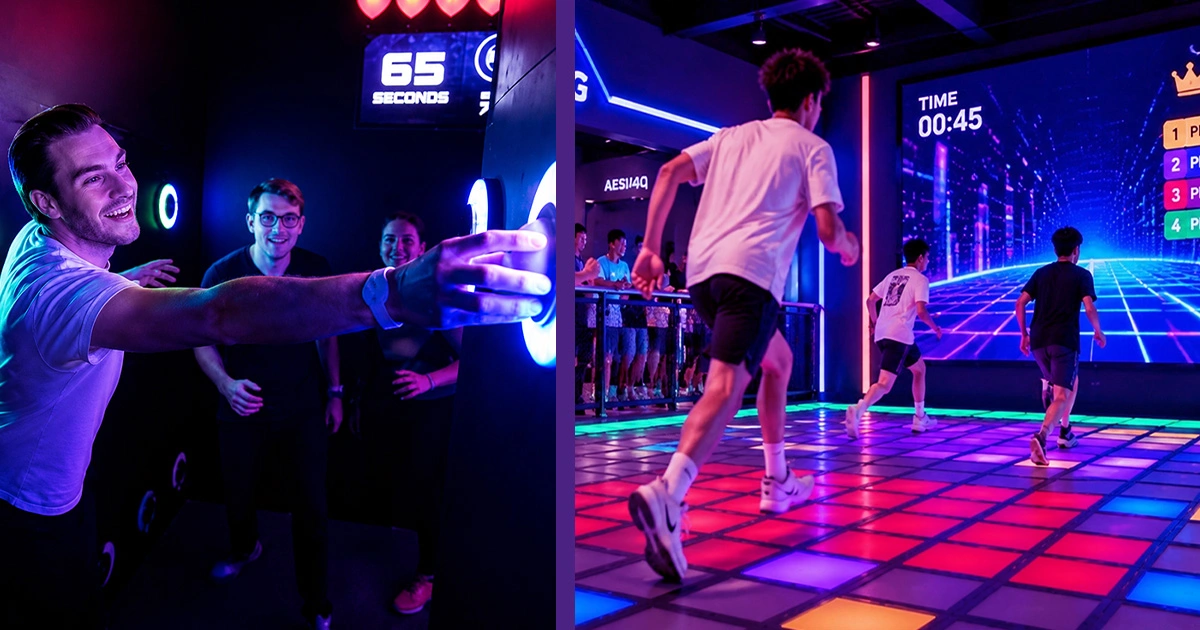
The central shift Gamescom 2026 makes visible is one that has been building for years: gaming is leaking out of the screen and into physical space, and publishers are now budgeting for it as part of a title's public debut, not treating it as a marketing afterthought.
Tencent Games' 2026 presence is a clear example. Beyond a hands-on booth on the show floor, Tencent is running a Rust Mobile-themed tent at a public park in Cologne, where ticket holders can play the game and meet cosplayers, with themed rickshaws circulating through the Gamescom grounds and the streets of the city itself. Konami is following the same logic with a themed interactive area built around Silent Hill: Townfall not a booth showing footage, but a space designed to be entered. Tencent's Honor of Kings presence goes further still, letting visitors move between hands-on play stations, stage activities, cosplayer meet-and-greets and photo-ready installations inside one continuous environment. No single element does the "world-building"; stacked together, they do.
This isn't a new instinct at Gamescom, but what physical experience is being asked to do is evolving. In 2019, Cyberpunk 2077 turned anticipation for an unreleased game into participation through its first official offline cosplay qualifier, inviting fans to embody Night City rather than simply watch it.
That relationship is now moving beyond temporary activations. In late 2025, CD Projekt Red appointed Falcon's Beyond to develop location-based entertainment concepts for Cyberpunk 2077, exploring how the IP could become a dedicated immersive experience.
The progression is significant: physical experiences are moving from supporting a game launch to extending the world and value of the IP itself. Gamescom 2026 reflects that evolution through activations such as Rust Mobile extending into Cologne and Honor of Kings combining gameplay, characters and participatory activities within the physical experience.
The opportunity is no longer simply to recreate what players recognise from the screen, but to add what the screen cannot provide in the same way: physical exploration, social interaction and new forms of participation.
Publishers are now willing to commission entire physical environments as part of a launch, on the same budget line as a trailer, and increasingly, as the basis for something that outlives the show entirely.
Gamescom's community programming is where visitors perform for each other, not just watch publishers perform for them, and 2026 gives that layer more formal weight than any previous edition.

The cosplay contest illustrates how a fan activity becomes structured spectacle without losing its participatory core. A panel selects a shortlist of cosplayers in a preliminary round; finalists present on the main stage with a short performance, judged live. Crucially, the audience isn't just watching: the wider community votes online for a "Fan Favorite Online" award, and everyone attending in person votes live for "Fan Favorite Live." Games Done Quick's European debut extends the same logic to a different community entirely, a dedicated stage where people gather to cheer skill and raise money for a cause, treating the collective act itself as the draw rather than any single piece of content on screen.
This reflects a broader experiential principle: attendees increasingly want to participate rather than simply observe, because a booth can be the biggest and shiniest on the floor, but without something to actually do, people won't remember it. Gamescom's cosplay village and GDQ stage prove that principle at a scale most brand activations never reach: tens of thousands of people, several days running, organising themselves around a shared act rather than a shared purchase.
Gamescom 2026's technology story is easy to overstate. Specific, confirmed technology choices are worth examining for what they enable experientially, not for their specifications.
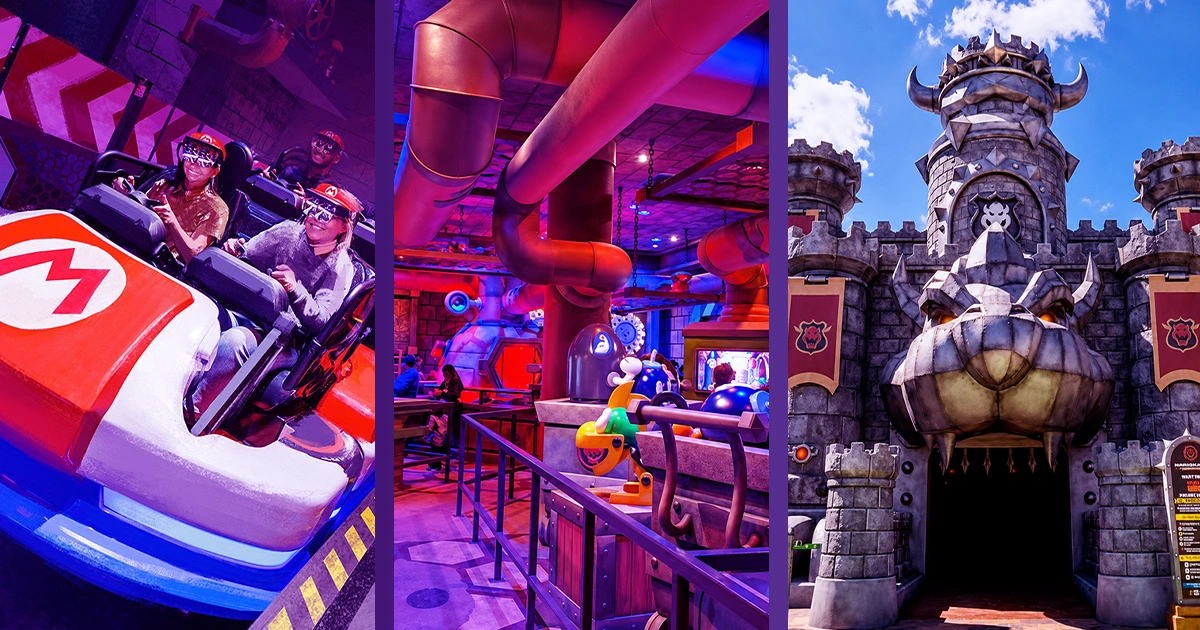
The clearest example of the standard publishers are chasing sits just outside Gamescom itself: Universal's Mario Kart: Bowser's Challenge combines a physical, built environment with augmented-reality technology so guests race through Mario Kart courses while genuinely competing against an antagonist team in real time. The AR layer isn't there to be technically impressive; it exists to close the gap between watching Mario Kart and playing it with your own body. That's the right test for immersive technology at any event: not how advanced it is, but what it lets the audience feel that a screen alone could not.
Broader industry data backs the direction of travel: guests no longer find blended physical-digital experiences impressive on their own; they assume the blend exists, and its absence now reads as a gap rather than a neutral choice. Technology has moved from differentiator to baseline expectation, which means the differentiation has to come from what it's used for, story, challenge, social connection, rather than the fact that it's there. Gamescom's confirmed 2026 content mostly follows that instinct: Tencent's Control Resonant demo lets visitors be among the first in the world to play a full interactive build ahead of release, using the technology to deliver a specific emotional payoff being first rather than to showcase rendering fidelity.
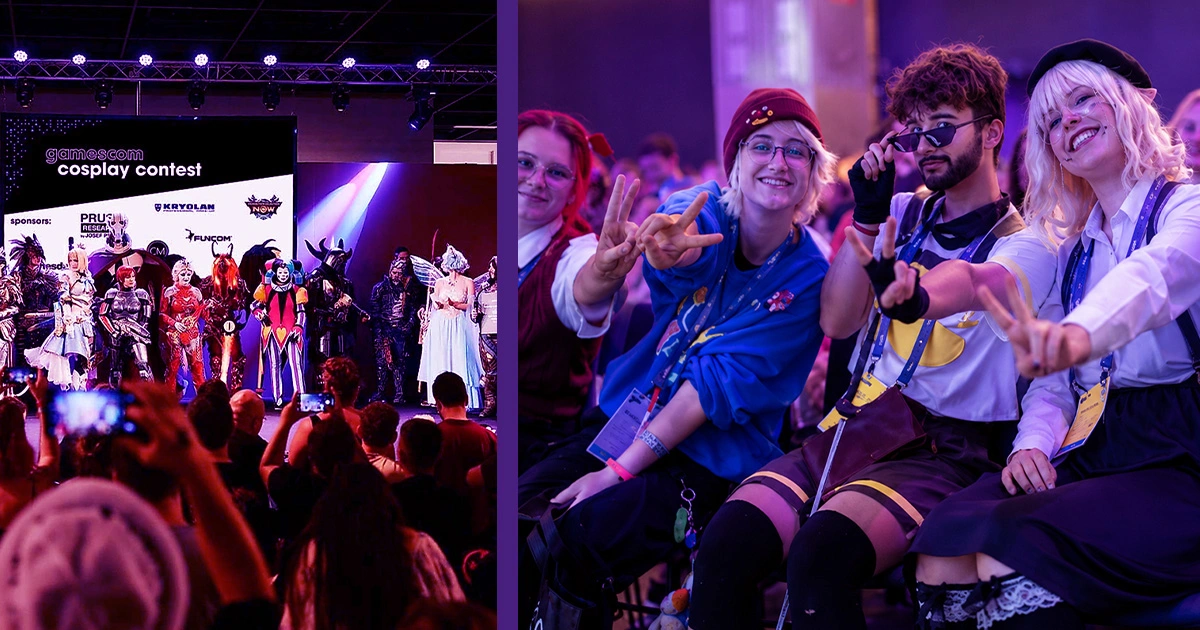
Gamescom's 2026 programme reads less like a video game trade show and more like a cross-media festival organised around games, and that blurring is itself the story. Music is now native to the show: Opening Night Live 2026 will include a live performance of music from the game Mewgenics, described by host Geoff Keighley as unlike anything the show has done before. Speedrunning culture gets its first European institutional home via GDQ. Civic causes are woven directly into programming, with GDQ's donations supporting a democracy-focused initiative rather than a games-industry charity narrowly defined.
This mirrors the wider entertainment industry. The immersive entertainment market in the US alone is projected to reach $281 billion by 2033, with immersive gaming experiences identified as one of its fastest-growing segments, evidence that what Gamescom does at festival scale, smaller operators are doing with touring gaming-experience formats. Nintendo's IP strategy continues to compound too, with Universal confirming a Super Nintendo World expansion coming to Singapore. The practical implication for anyone working in events or destinations: audiences no longer sort neatly into "gamer" versus "music fan" versus "cosplayer." They expect one event to hold all of it, because that's increasingly how they consume entertainment everywhere else.
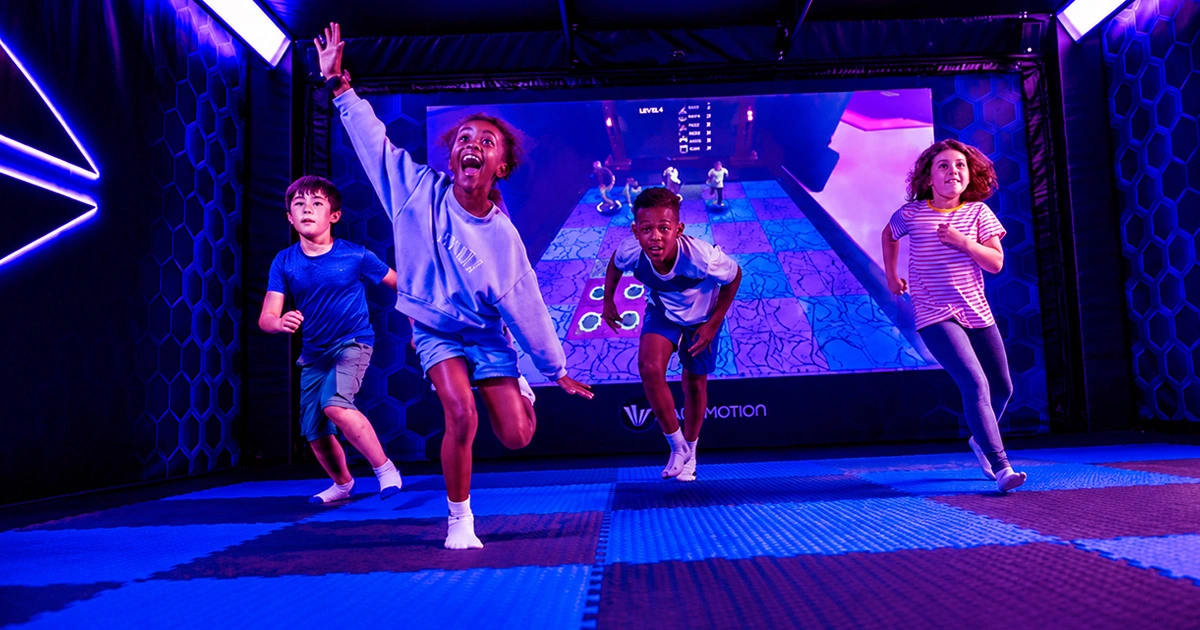
Gaming has spent three decades refining engagement mechanics most other industries are only beginning to borrow deliberately, and Gamescom's 2026 programme puts several of them on display at physical scale.
Progression shows up in how the show itself is structured: the cosplay contest's preliminary-to-final format, fast-lane demo bookings and tiered ticketing all create a sense of advancing through the event rather than simply attending it. Identity and community are handled with unusual seriousness for a trade show: the cosplay village is programmed, judged and voted on rather than tolerated as a curiosity, and GDQ is positioned by Gamescom's own leadership as something visitors should prioritise. An event chasing loyalty over one-off attendance treats its community's creative output as core programming, not decoration.
The transferable question for brands, destinations and event organisers outside gaming is simple: at the point a visitor enters your space, what specific action can they take that changes what they experience next, and does your programming treat your community's own output as worth building a stage around, rather than merely tolerating it?
Gamescom 2026 will still revolve around video games, and screens will remain everywhere. What is changing is the territory around them.
A game can now become an exhibition in a Cologne warehouse, an interactive horror environment, a cosplay performance, a challenge shared between strangers or an activation moving through city streets. The digital world is no longer necessarily the final destination. Increasingly, it provides the raw material for physical experiences people can enter, explore, influence, share and remember.
Gamescom 2026 offers an unusually concentrated view of that transition. And for the wider experience industry, the implication is significant: as audiences become more accustomed to participating inside entertainment worlds, the benchmark for immersion may no longer be how convincingly an environment surrounds them. It may be whether that world gives them a meaningful role once they step inside.
Website | LinkedIn | Instagram | YouTube | Facebook